あ
Arthurアーサー5 rôles · 1942 (Shōwa 17 / 昭和17年) Earthアース1 rôle · 1965 (Shōwa 40 / 昭和40年)
 I.L1 rôle · 1969 (Shōwa 44 / 昭和44年)☆
 le Chevalier bleu青騎士 ☆
 Akashi明石2 rôles · 1973 (Shōwa 48 / 昭和48年)☆
 Fujio Akatsuka赤塚不二夫2 rôles · 1970 (Shōwa 45 / 昭和45年)l’étudiant logé chez Akaboshi赤星の書生2 rôles · 1958 (Shōwa 33 / 昭和33年)☆
 M. Akita秋田先生2 rôles · 1970 (Shōwa 45 / 昭和45年)
 Akuemon悪右衛門1 rôle · 1973 (Shōwa 48 / 昭和48年)
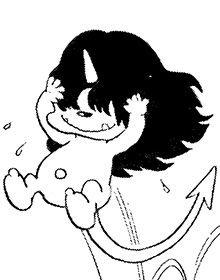 l’enfant du diable悪魔の子1 rôle · 1976 (Shōwa 51 / 昭和51年)
 Tsugumi Akebonoあけぼのつぐみ1 rôle · 1959 (Shōwa 34 / 昭和34年)☆
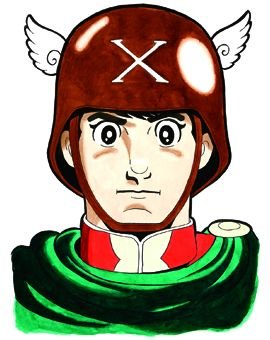 Akira Asagumo (Big X)朝雲昭9 rôles · 1963 (Shōwa 38 / 昭和38年)☆
 Azarashiアザラシー4 rôles · 1950 (Shōwa 25 / 昭和25年)
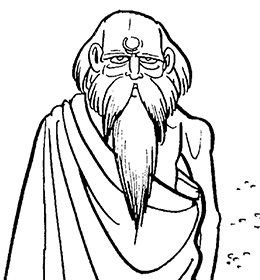 Asitaアシタ1 rôle · 1972 (Shōwa 47 / 昭和47年)★
 Acetylene Lampアセチレン・ランプ157 rôles · 1946 (Shōwa 21 / 昭和21年)☆
 Aggoアッゴ14 rôles · 1951 (Shōwa 26 / 昭和26年)
 Hideo Azuma吾妻ひでお1 rôle · 1981 (Shōwa 56 / 昭和56年)☆
 Astro (Atom)アトム144 rôles · 1951 (Shōwa 26 / 昭和26年)☆
 Atom Catアトムキャット1 rôle · 1986 (Shōwa 61 / 昭和61年)☆
 le papa d’Astroアトムの父34 rôles · 1952 (Shōwa 27 / 昭和27年)☆la maman d’Astroアトムのママ1 rôle · 1952 (Shōwa 27 / 昭和27年)☆
 Atlasアトラス3 rôles · 1956 (Shōwa 31 / 昭和31年)☆
 Adolf Kaufmannアドルフ・カウフマン1 rôle · 1983 (Shōwa 58 / 昭和58年)☆
 Adolf Kamilアドルフ・カミル1 rôle · 1983 (Shōwa 58 / 昭和58年)☆Adolf Hitlerアドルフ・ヒットラー ☆
 Ānandaアナンダ23 rôles · 1972 (Shōwa 47 / 昭和47年)☆
 Motoo Abiko安孫子素雄5 rôles · 1970 (Shōwa 45 / 昭和45年)☆Ahimsaアヒンサー ☆
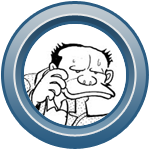 Afillアフィル20 rôles · 1944 (Shōwa 19 / 昭和19年)☆
 Tetsutarō Amakusa天草鉄太郎1 rôle · 1955 (Shōwa 30 / 昭和30年)☆
 Ayako奇子1 rôle · 1972 (Shōwa 47 / 昭和47年)☆
 Takonosuke Arashi嵐タコの助1 rôle · 1951 (Shōwa 26 / 昭和26年)☆
 Alabasterアラバスター1 rôle · 1970 (Shōwa 45 / 昭和45年)Arabian Nightアラビアンナイト3 rôles · 1939 (Shōwa 14 / 昭和14年)Alligatorアリゲーター4 rôles · 1966 (Shōwa 41 / 昭和41年)Ishiイシ1 rôle · 1975 (Shōwa 50 / 昭和50年)☆Ishii石井
 Jun Ishikawaいしかわじゅん1 rôle · 1981 (Shōwa 56 / 昭和56年)☆
 Shōtarō Ishinomori石ノ森章太郎13 rôles · 1959 (Shōwa 34 / 昭和34年)☆Izumiいずみ2 rôles · 1970 (Shōwa 45 / 昭和45年)
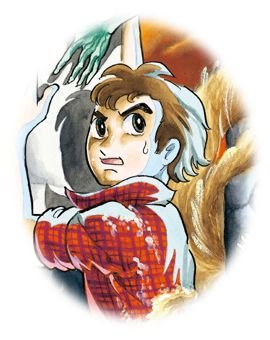 Iseki井関1 rôle · 1969 (Shōwa 44 / 昭和44年)
 le professeur Ichinoseki一ノ関教授1 rôle · 1988 (Shōwa 63 / 昭和63年)☆
 Issen Hage一銭ハゲ29 rôles · 1945 (Shōwa 20 / 昭和20年)
 Akikazu Inoue井上昭和1 rôle · 1979 (Shōwa 54 / 昭和54年)
 Kōichi Inochi命光一1 rôle · 1972 (Shōwa 47 / 昭和47年)
 Manjirō Ibuya伊武谷万二郎2 rôles · 1981 (Shōwa 56 / 昭和56年)Iboriloイボリロ2 rôles · 1969 (Shōwa 44 / 昭和44年)☆
 Daisaku Imari伊万里大作7 rôles · 1969 (Shōwa 44 / 昭和44年)☆
 Ruriko Iwaneyama岩根山ルリ子4 rôles · 1966 (Shōwa 41 / 昭和41年)
 Ivanイワン1 rôle · 1951 (Shōwa 26 / 昭和26年)☆Vappaヴァッパ ☆
 Whiskyウイスキー11 rôles · 1948 (Shōwa 23 / 昭和23年)
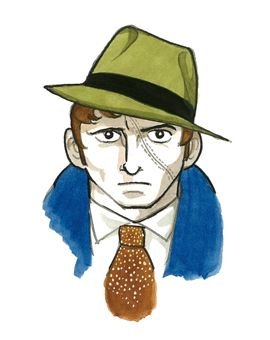 Captain Willy O’Haraウイリー・オハラ大尉1 rôle · 1968 (Shōwa 43 / 昭和43年)Wooウー1 rôle · 1972 (Shōwa 47 / 昭和47年)le général Ugetsu雨月大将1 rôle · 1976 (Shōwa 51 / 昭和51年)
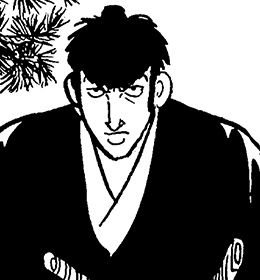 Tōbē Ushikubo丑久保陶兵衛1 rôle · 1981 (Shōwa 56 / 昭和56年)Ushiwaka牛若1 rôle · 1976 (Shōwa 51 / 昭和51年)
 Urajiウラジ1 rôle · 1967 (Shōwa 42 / 昭和42年)☆
 Uranウラン40 rôles · 1960 (Shōwa 35 / 昭和35年)Wolfウルフ1 rôle · 1982 (Shōwa 57 / 昭和57年)☆
 l’inspecteur Unmei運命警部6 rôles · 1976 (Shōwa 51 / 昭和51年)
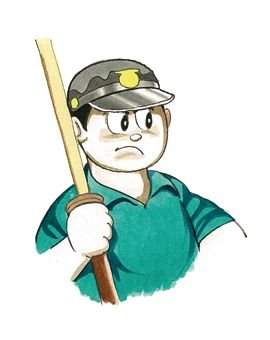 Eiji英二1 rôle · 1954 (Shōwa 29 / 昭和29年)☆
 Eizō英三3 rôles · 1977 (Shōwa 52 / 昭和52年)☆Echizen Gani越前ガニ ☆
 Echizen Ganiエチゼンガニ7 rôles · 1974 (Shōwa 49 / 昭和49年)☆
 Eduardo von Berneエドアルド・フォン・ベルヌ3 rôles · 1969 (Shōwa 44 / 昭和44年)☆
 Epsilonエプシロン1 rôle · 1964 (Shōwa 39 / 昭和39年)☆
 Emiya (Prime Rose)エミヤ2 rôles · 1982 (Shōwa 57 / 昭和57年)
 Éliseエリゼ1 rôle · 1965 (Shōwa 40 / 昭和40年)
 Emmyエンミイ1 rôle · 1949 (Shōwa 24 / 昭和24年)le Roi王様3 rôles · 1950 (Shōwa 25 / 昭和25年)
 Princess Rima王女リマ1 rôle · 1958 (Shōwa 33 / 昭和33年)
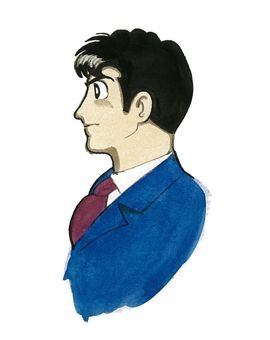 Shunsuke Ōtori鳳俊介2 rôles · 1957 (Shōwa 32 / 昭和32年)☆
 Kamitarō Ōba大場加三太郎10 rôles · 1947 (Shōwa 22 / 昭和22年)le propriétaire大家2 rôles · 1976 (Shōwa 51 / 昭和51年)
 Taburo Okazaki岡崎タブロ2 rôles · 1985 (Shōwa 60 / 昭和60年)Takako Oka丘タカ子1 rôle · 1954 (Shōwa 29 / 昭和29年)
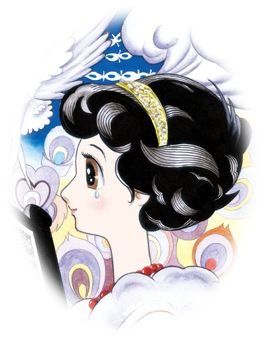 Yuri Ogawa小川ユリ1 rôle · 1959 (Shōwa 34 / 昭和34年)☆
 Noriko Ogi小城典子1 rôle · 1983 (Shōwa 58 / 昭和58年)
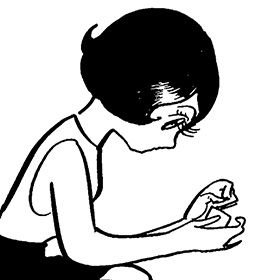 Yōko Oki沖洋子1 rôle · 1969 (Shōwa 44 / 昭和44年)Emperor Okiroオキロ大帝2 rôles · 1957 (Shōwa 32 / 昭和32年)☆
 Okuchinオクチン35 rôles · 1969 (Shōwa 44 / 昭和44年)☆
 Ryūichi Okuno奥野龍一7 rôles · 1967 (Shōwa 42 / 昭和42年)☆
 le Seigneur d'Okesa no Hyōrokuおけさのひょう六の殿様2 rôles · 1974 (Shōwa 49 / 昭和49年)
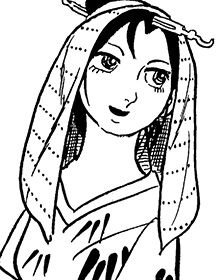 Okonお紺1 rôle · 1981 (Shōwa 56 / 昭和56年)☆
 Kirihito Osanai小山内桐人2 rôles · 1970 (Shōwa 45 / 昭和45年)
 Ami Ozawa小沢亜美1 rôle · 1970 (Shōwa 45 / 昭和45年)
 Oshinaお品1 rôle · 1981 (Shōwa 56 / 昭和56年)☆
 le capitaine Ozmaオズマ4 rôles · 1961 (Shōwa 36 / 昭和36年)
 Osekiおせき1 rôle · 1981 (Shōwa 56 / 昭和56年)
 Tetsu Otani男谷哲1 rôle · 1970 (Shōwa 45 / 昭和45年)☆
 Odawara Chōchin小田原丁珍29 rôles · 1954 (Shōwa 29 / 昭和29年)☆
 le professeur Ochanomizuお茶の水博士136 rôles · 1951 (Shōwa 26 / 昭和26年)
 Otsūおつう1 rôle · 1956 (Shōwa 31 / 昭和31年)☆
 Ossanオッサン79 rôles · 1947 (Shōwa 22 / 昭和22年)
 Otsuneお常1 rôle · 1971 (Shōwa 46 / 昭和46年)☆
 Onimaru鬼丸2 rôles · 1969 (Shōwa 44 / 昭和44年)
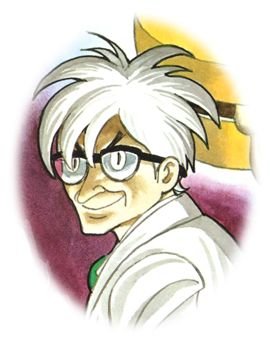 le docteur Onodera小野寺博士1 rôle · 1957 (Shōwa 32 / 昭和32年)Obake no Q-tarōオバQ1 rôle · 1970 (Shōwa 45 / 昭和45年)☆Ofuguおふぐ ☆omotaniumオモタニウム
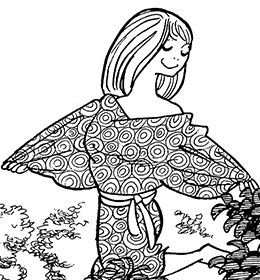 Oryōお涼1 rôle · 1972 (Shōwa 47 / 昭和47年)☆
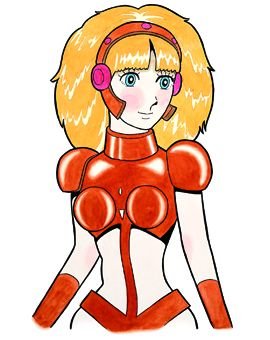 Olgaオルガ3 rôles · 1980 (Shōwa 55 / 昭和55年)
Earthアース1 rôle · 1965 (Shōwa 40 / 昭和40年)I.L1 rôle · 1969 (Shōwa 44 / 昭和44年)☆le Chevalier bleu青騎士 ☆Akashi明石2 rôles · 1973 (Shōwa 48 / 昭和48年)☆Fujio Akatsuka赤塚不二夫2 rôles · 1970 (Shōwa 45 / 昭和45年)l’étudiant logé chez Akaboshi赤星の書生2 rôles · 1958 (Shōwa 33 / 昭和33年)☆M. Akita秋田先生2 rôles · 1970 (Shōwa 45 / 昭和45年)Akuemon悪右衛門1 rôle · 1973 (Shōwa 48 / 昭和48年)l’enfant du diable悪魔の子1 rôle · 1976 (Shōwa 51 / 昭和51年)Tsugumi Akebonoあけぼのつぐみ1 rôle · 1959 (Shōwa 34 / 昭和34年)☆Akira Asagumo (Big X)朝雲昭9 rôles · 1963 (Shōwa 38 / 昭和38年)☆Azarashiアザラシー4 rôles · 1950 (Shōwa 25 / 昭和25年)Asitaアシタ1 rôle · 1972 (Shōwa 47 / 昭和47年)★Acetylene Lampアセチレン・ランプ157 rôles · 1946 (Shōwa 21 / 昭和21年)☆Aggoアッゴ14 rôles · 1951 (Shōwa 26 / 昭和26年)Hideo Azuma吾妻ひでお1 rôle · 1981 (Shōwa 56 / 昭和56年)☆Astro (Atom)アトム144 rôles · 1951 (Shōwa 26 / 昭和26年)☆Atom Catアトムキャット1 rôle · 1986 (Shōwa 61 / 昭和61年)☆le papa d’Astroアトムの父34 rôles · 1952 (Shōwa 27 / 昭和27年)☆la maman d’Astroアトムのママ1 rôle · 1952 (Shōwa 27 / 昭和27年)☆Atlasアトラス3 rôles · 1956 (Shōwa 31 / 昭和31年)☆Adolf Kaufmannアドルフ・カウフマン1 rôle · 1983 (Shōwa 58 / 昭和58年)☆Adolf Kamilアドルフ・カミル1 rôle · 1983 (Shōwa 58 / 昭和58年)☆Adolf Hitlerアドルフ・ヒットラー ☆Ānandaアナンダ23 rôles · 1972 (Shōwa 47 / 昭和47年)☆Motoo Abiko安孫子素雄5 rôles · 1970 (Shōwa 45 / 昭和45年)☆Ahimsaアヒンサー ☆Afillアフィル20 rôles · 1944 (Shōwa 19 / 昭和19年)☆Tetsutarō Amakusa天草鉄太郎1 rôle · 1955 (Shōwa 30 / 昭和30年)☆Ayako奇子1 rôle · 1972 (Shōwa 47 / 昭和47年)☆Takonosuke Arashi嵐タコの助1 rôle · 1951 (Shōwa 26 / 昭和26年)☆Alabasterアラバスター1 rôle · 1970 (Shōwa 45 / 昭和45年)Arabian Nightアラビアンナイト3 rôles · 1939 (Shōwa 14 / 昭和14年)Alligatorアリゲーター4 rôles · 1966 (Shōwa 41 / 昭和41年)Ishiイシ1 rôle · 1975 (Shōwa 50 / 昭和50年)☆Ishii石井 Jun Ishikawaいしかわじゅん1 rôle · 1981 (Shōwa 56 / 昭和56年)☆Shōtarō Ishinomori石ノ森章太郎13 rôles · 1959 (Shōwa 34 / 昭和34年)☆Izumiいずみ2 rôles · 1970 (Shōwa 45 / 昭和45年)Iseki井関1 rôle · 1969 (Shōwa 44 / 昭和44年)le professeur Ichinoseki一ノ関教授1 rôle · 1988 (Shōwa 63 / 昭和63年)☆Issen Hage一銭ハゲ29 rôles · 1945 (Shōwa 20 / 昭和20年)Akikazu Inoue井上昭和1 rôle · 1979 (Shōwa 54 / 昭和54年)Kōichi Inochi命光一1 rôle · 1972 (Shōwa 47 / 昭和47年)Manjirō Ibuya伊武谷万二郎2 rôles · 1981 (Shōwa 56 / 昭和56年)Iboriloイボリロ2 rôles · 1969 (Shōwa 44 / 昭和44年)☆Daisaku Imari伊万里大作7 rôles · 1969 (Shōwa 44 / 昭和44年)☆Ruriko Iwaneyama岩根山ルリ子4 rôles · 1966 (Shōwa 41 / 昭和41年)Ivanイワン1 rôle · 1951 (Shōwa 26 / 昭和26年)☆Vappaヴァッパ ☆Whiskyウイスキー11 rôles · 1948 (Shōwa 23 / 昭和23年)Captain Willy O’Haraウイリー・オハラ大尉1 rôle · 1968 (Shōwa 43 / 昭和43年)Wooウー1 rôle · 1972 (Shōwa 47 / 昭和47年)le général Ugetsu雨月大将1 rôle · 1976 (Shōwa 51 / 昭和51年)Tōbē Ushikubo丑久保陶兵衛1 rôle · 1981 (Shōwa 56 / 昭和56年)Ushiwaka牛若1 rôle · 1976 (Shōwa 51 / 昭和51年)Urajiウラジ1 rôle · 1967 (Shōwa 42 / 昭和42年)☆Uranウラン40 rôles · 1960 (Shōwa 35 / 昭和35年)Wolfウルフ1 rôle · 1982 (Shōwa 57 / 昭和57年)☆l’inspecteur Unmei運命警部6 rôles · 1976 (Shōwa 51 / 昭和51年)Eiji英二1 rôle · 1954 (Shōwa 29 / 昭和29年)☆Eizō英三3 rôles · 1977 (Shōwa 52 / 昭和52年)☆Echizen Gani越前ガニ ☆Echizen Ganiエチゼンガニ7 rôles · 1974 (Shōwa 49 / 昭和49年)☆Eduardo von Berneエドアルド・フォン・ベルヌ3 rôles · 1969 (Shōwa 44 / 昭和44年)☆Epsilonエプシロン1 rôle · 1964 (Shōwa 39 / 昭和39年)☆Emiya (Prime Rose)エミヤ2 rôles · 1982 (Shōwa 57 / 昭和57年)Éliseエリゼ1 rôle · 1965 (Shōwa 40 / 昭和40年)Emmyエンミイ1 rôle · 1949 (Shōwa 24 / 昭和24年)le Roi王様3 rôles · 1950 (Shōwa 25 / 昭和25年)Princess Rima王女リマ1 rôle · 1958 (Shōwa 33 / 昭和33年)Shunsuke Ōtori鳳俊介2 rôles · 1957 (Shōwa 32 / 昭和32年)☆Kamitarō Ōba大場加三太郎10 rôles · 1947 (Shōwa 22 / 昭和22年)le propriétaire大家2 rôles · 1976 (Shōwa 51 / 昭和51年)Taburo Okazaki岡崎タブロ2 rôles · 1985 (Shōwa 60 / 昭和60年)Takako Oka丘タカ子1 rôle · 1954 (Shōwa 29 / 昭和29年)Yuri Ogawa小川ユリ1 rôle · 1959 (Shōwa 34 / 昭和34年)☆Noriko Ogi小城典子1 rôle · 1983 (Shōwa 58 / 昭和58年)Yōko Oki沖洋子1 rôle · 1969 (Shōwa 44 / 昭和44年)Emperor Okiroオキロ大帝2 rôles · 1957 (Shōwa 32 / 昭和32年)☆Okuchinオクチン35 rôles · 1969 (Shōwa 44 / 昭和44年)☆Ryūichi Okuno奥野龍一7 rôles · 1967 (Shōwa 42 / 昭和42年)☆le Seigneur d'Okesa no Hyōrokuおけさのひょう六の殿様2 rôles · 1974 (Shōwa 49 / 昭和49年)Okonお紺1 rôle · 1981 (Shōwa 56 / 昭和56年)☆Kirihito Osanai小山内桐人2 rôles · 1970 (Shōwa 45 / 昭和45年)Ami Ozawa小沢亜美1 rôle · 1970 (Shōwa 45 / 昭和45年)Oshinaお品1 rôle · 1981 (Shōwa 56 / 昭和56年)☆le capitaine Ozmaオズマ4 rôles · 1961 (Shōwa 36 / 昭和36年)Osekiおせき1 rôle · 1981 (Shōwa 56 / 昭和56年)Tetsu Otani男谷哲1 rôle · 1970 (Shōwa 45 / 昭和45年)☆Odawara Chōchin小田原丁珍29 rôles · 1954 (Shōwa 29 / 昭和29年)☆le professeur Ochanomizuお茶の水博士136 rôles · 1951 (Shōwa 26 / 昭和26年)Otsūおつう1 rôle · 1956 (Shōwa 31 / 昭和31年)☆Ossanオッサン79 rôles · 1947 (Shōwa 22 / 昭和22年)Otsuneお常1 rôle · 1971 (Shōwa 46 / 昭和46年)☆Onimaru鬼丸2 rôles · 1969 (Shōwa 44 / 昭和44年)le docteur Onodera小野寺博士1 rôle · 1957 (Shōwa 32 / 昭和32年)Obake no Q-tarōオバQ1 rôle · 1970 (Shōwa 45 / 昭和45年)☆Ofuguおふぐ ☆omotaniumオモタニウム Oryōお涼1 rôle · 1972 (Shōwa 47 / 昭和47年)☆Olgaオルガ3 rôles · 1980 (Shōwa 55 / 昭和55年)か
 Caïnカイン1 rôle · 1976 (Shōwa 51 / 昭和51年)☆
 Kao Sekkenカオー・セッケン20 rôles · 1945 (Shōwa 20 / 昭和20年)
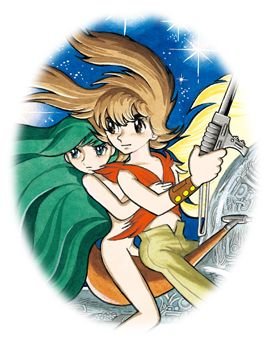 Kaosカオス2 rôles · 1975 (Shōwa 50 / 昭和50年)
 la mère de Kazuya和也の母1 rôle · 1969 (Shōwa 44 / 昭和44年)Ben Courant-d’air風通しのベン2 rôles · 1973 (Shōwa 48 / 昭和48年)
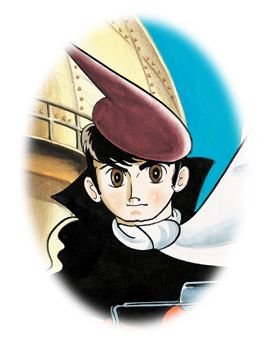 Tarō Katagiri片桐太郎1 rôle · 1968 (Shōwa 43 / 昭和43年)☆le Docteur Kani可仁博士4 rôles · 1974 (Shōwa 49 / 昭和49年)☆
 l’inspecteur Ganimardガニマール9 rôles · 1949 (Shōwa 24 / 昭和24年)Kanokogi鹿子木1 rôle · 1972 (Shōwa 47 / 昭和47年)
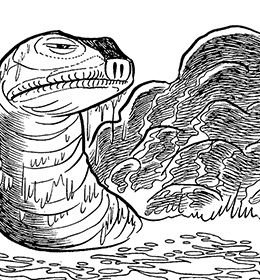 Ganomosガノモス1 rôle · 1969 (Shōwa 44 / 昭和44年)Caponeカポネ4 rôles · 1969 (Shōwa 44 / 昭和44年)
 Kama鎌1 rôle · 1973 (Shōwa 48 / 昭和48年)Kirirō Kamaishi釜石桐朗2 rôles · 1970 (Shōwa 45 / 昭和45年)☆
 Daisaku Kamagiri鎌切大作2 rôles · 1963 (Shōwa 38 / 昭和38年)☆
 Gamガム3 rôles · 1965 (Shōwa 40 / 昭和40年)☆
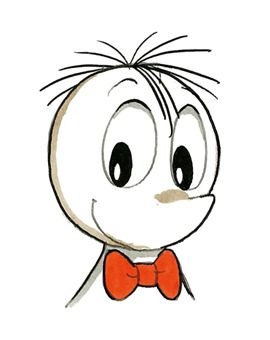 Gum Gumガムガム2 rôles · 1967 (Shōwa 42 / 昭和42年)
 Kayoko可世子1 rôle · 1969 (Shōwa 44 / 昭和44年)Iwao Garai賀来巌1 rôle · 1976 (Shōwa 51 / 昭和51年)
 le père Garai賀来神父1 rôle · 1976 (Shōwa 51 / 昭和51年)le capitaine du club de karaté空手部主将2 rôles · 1968 (Shōwa 43 / 昭和43年)Garigariガリガリ2 rôles · 1949 (Shōwa 24 / 昭和24年)☆
 Garonガロン12 rôles · 1959 (Shōwa 34 / 昭和34年)
 Satsuki possédée par la Kikimoraキキモラがとりついたさつき1 rôle · 1972 (Shōwa 47 / 昭和47年)☆Megumi Kisaragi如月めぐみ
 Megumi Kisaragi如月恵3 rôles · 1974 (Shōwa 49 / 昭和49年)
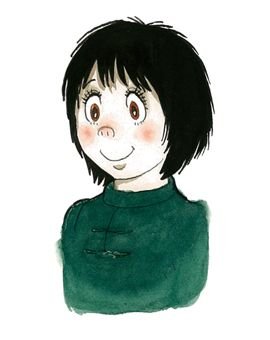 Ki Sanjō姫三娘2 rôles · 1974 (Shōwa 49 / 昭和49年)
 Terujirō Kita北輝次郎1 rôle · 1974 (Shōwa 49 / 昭和49年)
 Ichirō Kitamura北村市郎1 rôle · 1974 (Shōwa 49 / 昭和49年)Kitarō鬼太郎1 rôle · 1970 (Shōwa 45 / 昭和45年)☆
 le professeur du Kidōkan奇動館の先生2 rôles · 1973 (Shōwa 48 / 昭和48年)
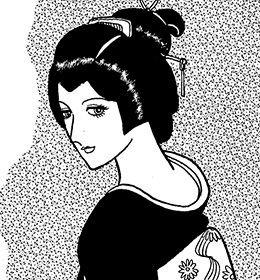 Kinuko絹子1 rôle · 1983 (Shōwa 58 / 昭和58年)
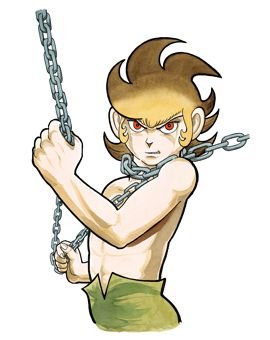 Kibando牙人1 rôle · 1984 (Shōwa 59 / 昭和59年)
 Capitaine Kenキャプテンケン4 rôles · 1960 (Shōwa 35 / 昭和35年)Kyū久1 rôle · 1976 (Shōwa 51 / 昭和51年)☆
 Kin Sankaku金三角20 rôles · 1958 (Shōwa 33 / 昭和33年)
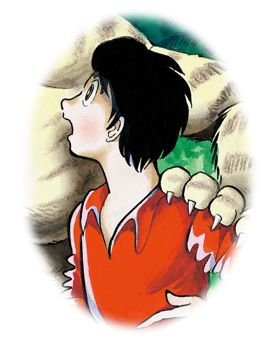 Kintapキンタプ1 rôle · 1969 (Shōwa 44 / 昭和44年)☆
 Cuscoクスコ9 rôles · 1971 (Shōwa 46 / 昭和46年)☆
 le député Kusutani (Inconnu « A »)楠谷議員10 rôles · 1970 (Shōwa 45 / 昭和45年)Kuchakuchaクチャクチャ4 rôles · 1967 (Shōwa 42 / 昭和42年)☆
 Kutterクッター96 rôles · 1949 (Shōwa 24 / 昭和24年)Gut-chanぐっちゃん2 rôles · 1948 (Shōwa 23 / 昭和23年)Spider Manクモ男1 rôle · 1942 (Shōwa 17 / 昭和17年)☆
 Gratinグラターン28 rôles · 1945 (Shōwa 20 / 昭和20年)☆
 Jūzaburō Kuruma車十三郎5 rôles · 1954 (Shōwa 29 / 昭和29年)☆le précepteur de Yōsuke Kuwagata鍬形陽介の家庭教師2 rôles · 1985 (Shōwa 60 / 昭和60年)☆
 Gesichtゲジヒト1 rôle · 1964 (Shōwa 39 / 昭和39年)☆
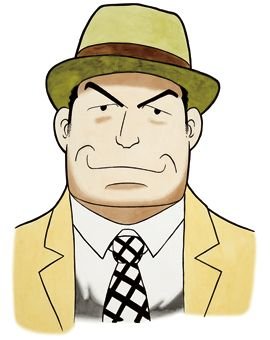 l’inspecteur Geta下田警部71 rôles · 1956 (Shōwa 31 / 昭和31年)☆Captain Ketchupケチャップ大尉 ☆
 Kerriganケリガン20 rôles · 1951 (Shōwa 26 / 昭和26年)★
 Ken’ichiケン一116 rôles · 1946 (Shōwa 21 / 昭和21年)☆
 Kenjiケンジ2 rôles · 1953 (Shōwa 28 / 昭和28年)☆
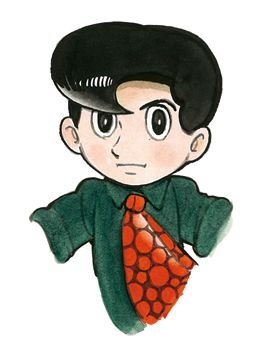 Kenta (Ken)ケン太9 rôles · 1959 (Shōwa 34 / 昭和34年)☆
 le Dr Kenmochi犬持博士3 rôles · 1974 (Shōwa 49 / 昭和49年)☆
 Goaゴア2 rôles · 1965 (Shōwa 40 / 昭和40年)☆
 Son Goku悟空17 rôles · 1952 (Shōwa 27 / 昭和27年)☆
 Cocoココ2 rôles · 1950 (Shōwa 25 / 昭和25年)
 Cocoaココア1 rôle · 1951 (Shōwa 26 / 昭和26年)☆le docteur Gojiゴジ博士 Dr. Kosumiコスミ博士2 rôles · 1961 (Shōwa 36 / 昭和36年)
 Kotanコタン1 rôle · 1962 (Shōwa 37 / 昭和37年)Matabei Gotō後藤又兵衛1 rôle · 1954 (Shōwa 29 / 昭和29年)☆
 Cobaltコバルト20 rôles · 1954 (Shōwa 29 / 昭和29年)
 Cobraコブラ1 rôle · 1948 (Shōwa 23 / 昭和23年)
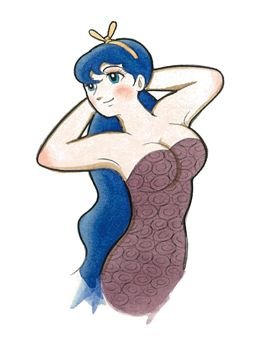 Komako駒子1 rôle · 1957 (Shōwa 32 / 昭和32年)
 Komasuke駒助3 rôles · 1952 (Shōwa 27 / 昭和27年)☆
 Sakyō Komatsu小松左京5 rôles · 1967 (Shōwa 42 / 昭和42年)
 Komコム1 rôle · 1976 (Shōwa 51 / 昭和51年)l’inspecteur Gori五利警部1 rôle · 1959 (Shōwa 34 / 昭和34年)
 Goroゴロ1 rôle · 1960 (Shōwa 35 / 昭和35年)
 Korosukeころすけ1 rôle · 1978 (Shōwa 53 / 昭和53年)☆Kondaññaコンダンニャ
さ
Saburōta les Dés賽の目の三郎太2 rôles · 1967 (Shōwa 42 / 昭和42年)Saxophoneサキソフォン2 rôles · 1949 (Shōwa 24 / 昭和24年)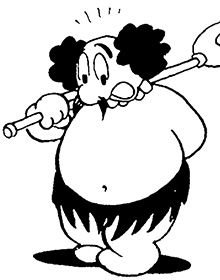 Sa Gojō沙悟浄1 rôle · 1952 (Shōwa 27 / 昭和27年)☆
 Kojirō Sasaki佐々木小次郎53 rôles · 1954 (Shōwa 29 / 昭和29年)
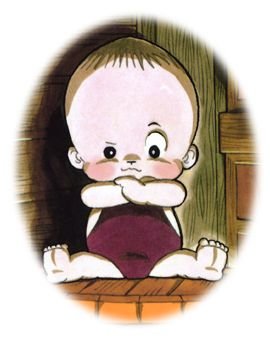 Zashiki-warashi座敷わらし1 rôle · 1976 (Shōwa 51 / 昭和51年)☆
 Saturn (Satan)サターン12 rôles · 1948 (Shōwa 23 / 昭和23年)le seigneur de Sado佐渡の殿様2 rôles · 1974 (Shōwa 49 / 昭和49年)Sanaeサナエ1 rôle · 1955 (Shōwa 30 / 昭和30年)☆
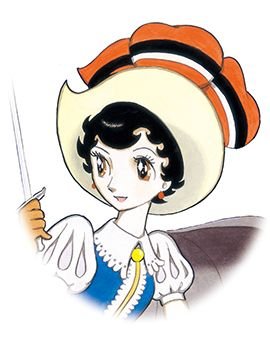 Saphir (Princesse Saphir)サファイア37 rôles · 1952 (Shōwa 27 / 昭和27年)☆
 Sabutanサブタン10 rôles · 1961 (Shōwa 36 / 昭和36年)☆
 Saboten (Sam)サボテン・サム33 rôles · 1951 (Shōwa 26 / 昭和26年)
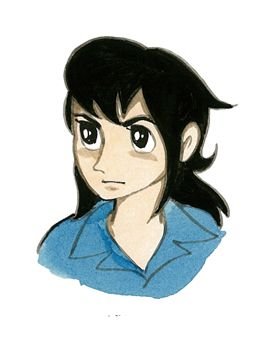 Zamzaザムザ2 rôles · 1976 (Shōwa 51 / 昭和51年)
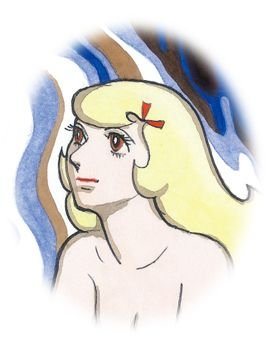 Chie Sayuri小百合チエ1 rôle · 1968 (Shōwa 43 / 昭和43年)Sararikunサラリクン2 rôles · 1947 (Shōwa 22 / 昭和22年)☆
 Saruta猿田22 rôles · 1954 (Shōwa 29 / 昭和29年)☆
 Sasuke Sarutobi猿飛佐助4 rôles · 1956 (Shōwa 31 / 昭和31年)
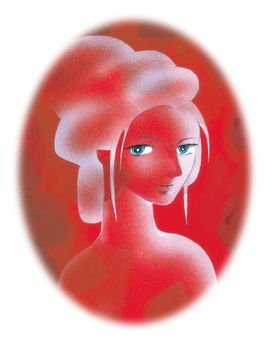 Salomeサロメ1 rôle · 1972 (Shōwa 47 / 昭和47年)☆
 Sanzō三蔵法師1 rôle · 1952 (Shōwa 27 / 昭和27年)☆
 les envahisseurs extraterrestres三人の侵略者の宇宙人1 rôle · 1969 (Shōwa 44 / 昭和44年)
 Jet Kingジェットキング1 rôle · 1959 (Shōwa 34 / 昭和34年)Sigmaシグマ1 rôle · 1970 (Shōwa 45 / 昭和45年)☆
 Bouddha (Siddhartha)ブッダ3 rôles · 1972 (Shōwa 47 / 昭和47年)☆
 Jipジップ3 rôles · 1959 (Shōwa 34 / 昭和34年)☆
 Shibugaki四部垣36 rôles · 1951 (Shōwa 26 / 昭和26年)☆
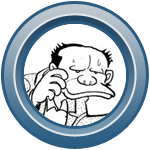 Keizō Shimada島田啓三1 rôle · 1959 (Shōwa 34 / 昭和34年)☆Shimi Abataシミ・アバータ
 Hanao Shimoda下田波奈夫1 rôle · 1972 (Shōwa 47 / 昭和47年)☆Shimofuri Mamāシモフリ・ママー ☆
 Sherlock Holmesシャーロック・ホームズ4 rôles · 1949 (Shōwa 24 / 昭和24年)
 Ryōhei Jagata邪我汰良平1 rôle · 1948 (Shōwa 23 / 昭和23年)
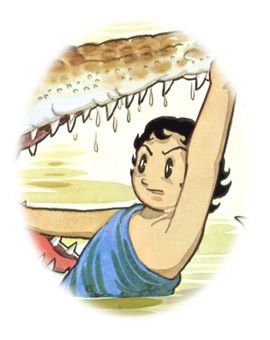 Jagoジャゴ1 rôle · 1949 (Shōwa 24 / 昭和24年)
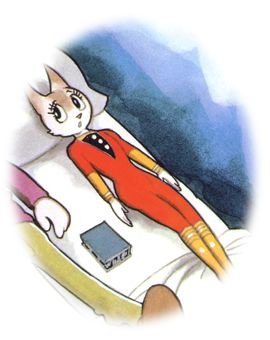 Shammyシャミー1 rôle · 1968 (Shōwa 43 / 昭和43年)☆
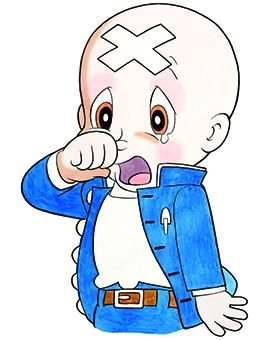 Hōsuke Sharaku写楽保介24 rôles · 1974 (Shōwa 49 / 昭和49年)☆
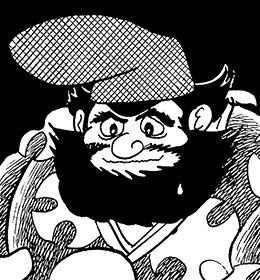 Jukai (le Dr Togakushi)寿海5 rôles · 1967 (Shōwa 42 / 昭和42年)Jujuジュジュ3 rôles · 1974 (Shōwa 49 / 昭和49年)☆Jussen Hage十銭ハゲ23 rôles · 1950 (Shōwa 25 / 昭和25年)
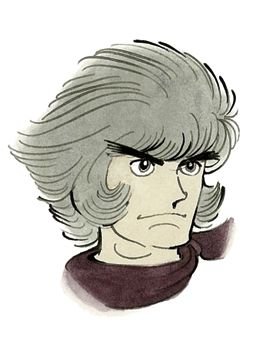 Shumariシュマリ4 rôles · 1974 (Shōwa 49 / 昭和49年)☆
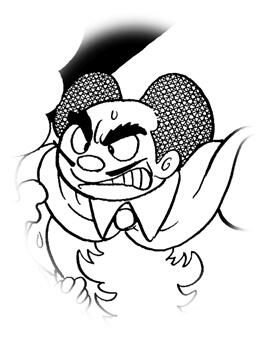 le duc Duraluminジュラルミン大公16 rôles · 1953 (Shōwa 28 / 昭和28年)☆
 Shōgo昭吾5 rôles · 1970 (Shōwa 45 / 昭和45年)Jōnouchi城之内2 rôles · 1969 (Shōwa 44 / 昭和44年)
 Shōgunショーグン1 rôle · 1979 (Shōwa 54 / 昭和54年)
 Georgeジョージ1 rôle · 1976 (Shōwa 51 / 昭和51年)Yūsaku Shirakawa白川雄作1 rôle · 1970 (Shōwa 45 / 昭和45年)
 Jiroジロ1 rôle · 1968 (Shōwa 43 / 昭和43年)
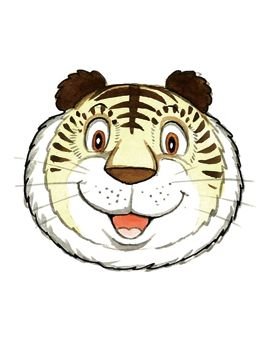 Shiroboshiシロボシ1 rôle · 1974 (Shōwa 49 / 昭和49年)Jinnai陣内1 rôle · 1980 (Shōwa 55 / 昭和55年)Jinbaジンバ2 rôles · 1982 (Shōwa 57 / 昭和57年)☆
 Skunk Kusaiスカンク草井25 rôles · 1955 (Shōwa 30 / 昭和30年)
 Shin’ichi Suzuki鈴木伸一1 rôle · 1981 (Shōwa 56 / 昭和56年)
 Zudabanズダーバン1 rôle · 1976 (Shōwa 51 / 昭和51年)
 Sudamaスダマ1 rôle · 1971 (Shōwa 46 / 昭和46年)☆Steveスティーブ2 rôles · 1969 (Shōwa 44 / 昭和44年)☆
 Spiderスパイダー97 rôles · 1942 (Shōwa 17 / 昭和17年)☆
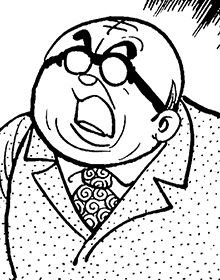 le Dr Subuta須武田9 rôles · 1972 (Shōwa 47 / 昭和47年)☆
 Zunberaずんべら2 rôles · 1975 (Shōwa 50 / 昭和50年)Sei-chan生ちゃん7 rôles · 1937 (Shōwa 12 / 昭和12年)
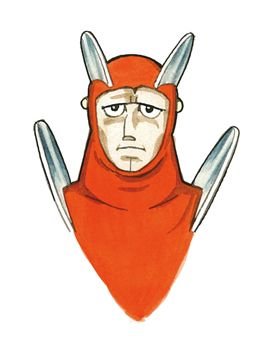 Zeoゼオ1 rôle · 1964 (Shōwa 39 / 昭和39年)☆
 Gohonmatsu Seki関五本松5 rôles · 1968 (Shōwa 43 / 昭和43年)Z2 rôles · 1957 (Shōwa 32 / 昭和32年)
 “Z” Ryōichi Takamure"Z"鷹群良一1 rôle · 1957 (Shōwa 32 / 昭和32年)☆
 Zéphyrusゼフィルス2 rôles · 1968 (Shōwa 43 / 昭和43年)☆
 Mariko Senri千里万里子1 rôle · 1981 (Shōwa 56 / 昭和56年)
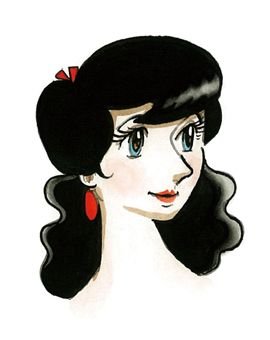 Kinko Zōno象野きん子1 rôle · 1957 (Shōwa 32 / 昭和32年)
Sa Gojō沙悟浄1 rôle · 1952 (Shōwa 27 / 昭和27年)☆Kojirō Sasaki佐々木小次郎53 rôles · 1954 (Shōwa 29 / 昭和29年)Zashiki-warashi座敷わらし1 rôle · 1976 (Shōwa 51 / 昭和51年)☆Saturn (Satan)サターン12 rôles · 1948 (Shōwa 23 / 昭和23年)le seigneur de Sado佐渡の殿様2 rôles · 1974 (Shōwa 49 / 昭和49年)Sanaeサナエ1 rôle · 1955 (Shōwa 30 / 昭和30年)☆Saphir (Princesse Saphir)サファイア37 rôles · 1952 (Shōwa 27 / 昭和27年)☆Sabutanサブタン10 rôles · 1961 (Shōwa 36 / 昭和36年)☆Saboten (Sam)サボテン・サム33 rôles · 1951 (Shōwa 26 / 昭和26年)Zamzaザムザ2 rôles · 1976 (Shōwa 51 / 昭和51年)Chie Sayuri小百合チエ1 rôle · 1968 (Shōwa 43 / 昭和43年)Sararikunサラリクン2 rôles · 1947 (Shōwa 22 / 昭和22年)☆Saruta猿田22 rôles · 1954 (Shōwa 29 / 昭和29年)☆Sasuke Sarutobi猿飛佐助4 rôles · 1956 (Shōwa 31 / 昭和31年)Salomeサロメ1 rôle · 1972 (Shōwa 47 / 昭和47年)☆Sanzō三蔵法師1 rôle · 1952 (Shōwa 27 / 昭和27年)☆les envahisseurs extraterrestres三人の侵略者の宇宙人1 rôle · 1969 (Shōwa 44 / 昭和44年)Jet Kingジェットキング1 rôle · 1959 (Shōwa 34 / 昭和34年)Sigmaシグマ1 rôle · 1970 (Shōwa 45 / 昭和45年)☆Bouddha (Siddhartha)ブッダ3 rôles · 1972 (Shōwa 47 / 昭和47年)☆Jipジップ3 rôles · 1959 (Shōwa 34 / 昭和34年)☆Shibugaki四部垣36 rôles · 1951 (Shōwa 26 / 昭和26年)☆Keizō Shimada島田啓三1 rôle · 1959 (Shōwa 34 / 昭和34年)☆Shimi Abataシミ・アバータ Hanao Shimoda下田波奈夫1 rôle · 1972 (Shōwa 47 / 昭和47年)☆Shimofuri Mamāシモフリ・ママー ☆Sherlock Holmesシャーロック・ホームズ4 rôles · 1949 (Shōwa 24 / 昭和24年)Ryōhei Jagata邪我汰良平1 rôle · 1948 (Shōwa 23 / 昭和23年)Jagoジャゴ1 rôle · 1949 (Shōwa 24 / 昭和24年)Shammyシャミー1 rôle · 1968 (Shōwa 43 / 昭和43年)☆Hōsuke Sharaku写楽保介24 rôles · 1974 (Shōwa 49 / 昭和49年)☆Jukai (le Dr Togakushi)寿海5 rôles · 1967 (Shōwa 42 / 昭和42年)Jujuジュジュ3 rôles · 1974 (Shōwa 49 / 昭和49年)☆Jussen Hage十銭ハゲ23 rôles · 1950 (Shōwa 25 / 昭和25年)Shumariシュマリ4 rôles · 1974 (Shōwa 49 / 昭和49年)☆le duc Duraluminジュラルミン大公16 rôles · 1953 (Shōwa 28 / 昭和28年)☆Shōgo昭吾5 rôles · 1970 (Shōwa 45 / 昭和45年)Jōnouchi城之内2 rôles · 1969 (Shōwa 44 / 昭和44年)Shōgunショーグン1 rôle · 1979 (Shōwa 54 / 昭和54年)Georgeジョージ1 rôle · 1976 (Shōwa 51 / 昭和51年)Yūsaku Shirakawa白川雄作1 rôle · 1970 (Shōwa 45 / 昭和45年)Jiroジロ1 rôle · 1968 (Shōwa 43 / 昭和43年)Shiroboshiシロボシ1 rôle · 1974 (Shōwa 49 / 昭和49年)Jinnai陣内1 rôle · 1980 (Shōwa 55 / 昭和55年)Jinbaジンバ2 rôles · 1982 (Shōwa 57 / 昭和57年)☆Skunk Kusaiスカンク草井25 rôles · 1955 (Shōwa 30 / 昭和30年)Shin’ichi Suzuki鈴木伸一1 rôle · 1981 (Shōwa 56 / 昭和56年)Zudabanズダーバン1 rôle · 1976 (Shōwa 51 / 昭和51年)Sudamaスダマ1 rôle · 1971 (Shōwa 46 / 昭和46年)☆Steveスティーブ2 rôles · 1969 (Shōwa 44 / 昭和44年)☆Spiderスパイダー97 rôles · 1942 (Shōwa 17 / 昭和17年)☆le Dr Subuta須武田9 rôles · 1972 (Shōwa 47 / 昭和47年)☆Zunberaずんべら2 rôles · 1975 (Shōwa 50 / 昭和50年)Sei-chan生ちゃん7 rôles · 1937 (Shōwa 12 / 昭和12年)Zeoゼオ1 rôle · 1964 (Shōwa 39 / 昭和39年)☆Gohonmatsu Seki関五本松5 rôles · 1968 (Shōwa 43 / 昭和43年)Z2 rôles · 1957 (Shōwa 32 / 昭和32年)“Z” Ryōichi Takamure"Z"鷹群良一1 rôle · 1957 (Shōwa 32 / 昭和32年)☆Zéphyrusゼフィルス2 rôles · 1968 (Shōwa 43 / 昭和43年)☆Mariko Senri千里万里子1 rôle · 1981 (Shōwa 56 / 昭和56年)Kinko Zōno象野きん子1 rôle · 1957 (Shōwa 32 / 昭和32年)た
☆ Talinターリン3 rôles · 1969 (Shōwa 44 / 昭和44年)☆
 le docteur Tigreタイガー博士2 rôles · 1950 (Shōwa 25 / 昭和25年)
 Kensaku Daigo醍醐剣策2 rôles · 1979 (Shōwa 54 / 昭和54年)☆
 Daisuke大介8 rôles · 1952 (Shōwa 27 / 昭和27年)☆
 le Grand Prêtre大僧官3 rôles · 1959 (Shōwa 34 / 昭和34年)☆
 Devadattaダイバダッタ13 rôles · 1975 (Shōwa 50 / 昭和50年)
 Hisako Taira平良比佐子1 rôle · 1973 (Shōwa 48 / 昭和48年)☆
 l’ancien des Takasago高砂族の長老2 rôles · 1970 (Shōwa 45 / 昭和45年)☆
 Katsuya Takase高瀬勝也2 rôles · 1972 (Shōwa 47 / 昭和47年)☆
 Hideo Takachiho高千穂2 rôles · 1956 (Shōwa 31 / 昭和31年)le père de Takuタクの父2 rôles · 1968 (Shōwa 43 / 昭和43年)
 Takeruタケル1 rôle · 1962 (Shōwa 37 / 昭和37年)☆
 Takoタコ49 rôles · 1948 (Shōwa 23 / 昭和23年)Tadanobuタダノブ4 rôles · 1966 (Shōwa 41 / 昭和41年)
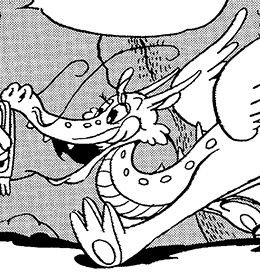 Tatsukoタツ子1 rôle · 1952 (Shōwa 27 / 昭和27年)☆
 Tattaタッタ3 rôles · 1972 (Shōwa 47 / 昭和47年)☆
 le Dr Tategami田手上博士3 rôles · 1959 (Shōwa 34 / 昭和34年)☆le Dr Tadenta田田田博士3 rôles · 1972 (Shōwa 47 / 昭和47年)
 Nasubi Tanizoko谷底ナスビ2 rôles · 1954 (Shōwa 29 / 昭和29年)Doubleダブル2 rôles · 1960 (Shōwa 35 / 昭和35年)☆
 Tahōmaru醍醐多宝丸4 rôles · 1967 (Shōwa 42 / 昭和42年)☆
 Tamaoタマオ38 rôles · 1951 (Shōwa 26 / 昭和26年)☆
 Tamasaburō玉サブロー4 rôles · 1981 (Shōwa 56 / 昭和56年)
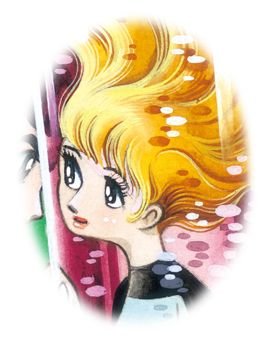 Tamamiタマミ1 rôle · 1967 (Shōwa 42 / 昭和42年)Dariダリ1 rôle · 1982 (Shōwa 57 / 昭和57年)
 “Taro” Tarō Shirai"タロ"白井太郎1 rôle · 1958 (Shōwa 33 / 昭和33年)☆
 l’inspecteur Tawashi田鷲警部68 rôles · 1952 (Shōwa 27 / 昭和27年)☆
 Danダン1 rôle · 1963 (Shōwa 38 / 昭和38年)Tank Tankurōタンク・タンクロー1 rôle · 1945 (Shōwa 20 / 昭和20年)☆
 Danke Stadtダンケシュテット9 rôles · 1954 (Shōwa 29 / 昭和29年)
 Tange Sazen丹下左膳1 rôle · 1954 (Shōwa 29 / 昭和29年)
 Zenzen Tange丹下全膳1 rôle · 1969 (Shōwa 44 / 昭和44年)
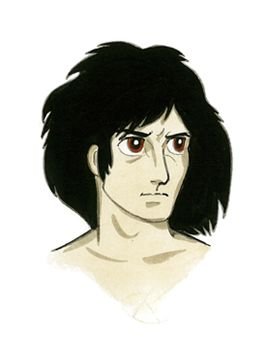 Takuya Dan壇タクヤ1 rôle · 1974 (Shōwa 49 / 昭和49年)☆
 Ti-tanチータン2 rôles · 1964 (Shōwa 39 / 昭和39年)☆
 Shōgo Chikaishi近石昭吾5 rôles · 1970 (Shōwa 45 / 昭和45年)★
 Chikara Aritake力有武139 rôles · 1947 (Shōwa 22 / 昭和22年)★
 Tick et Tack (Ramune et Calpis)チックとタック133 rôles · 1947 (Shōwa 22 / 昭和22年)☆
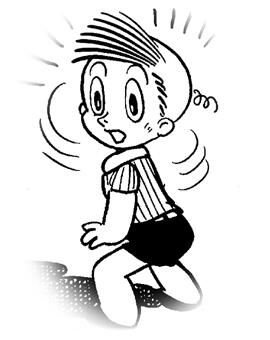 Chippeiチッペイ10 rôles · 1966 (Shōwa 41 / 昭和41年)
 Chippoチッポ1 rôle · 1957 (Shōwa 32 / 昭和32年)
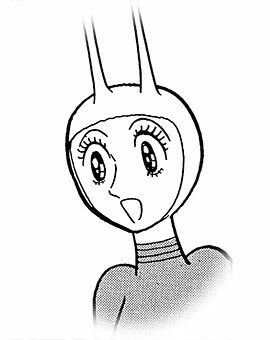 Chihiroチヒロ2 rôles · 1970 (Shōwa 45 / 昭和45年)☆
 Chaoチャオ3 rôles · 1976 (Shōwa 51 / 昭和51年)Charlie Chaplinチャップリン1 rôle · 1973 (Shōwa 48 / 昭和48年)☆
 Chapraチャプラ1 rôle · 1972 (Shōwa 47 / 昭和47年)
 la mère de Chapraチャプラの母1 rôle · 1972 (Shōwa 47 / 昭和47年)
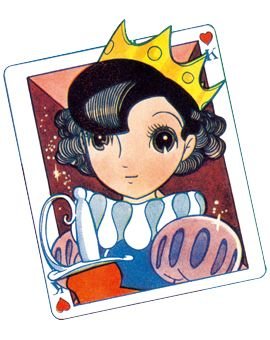 Chiyoko (Miss Soyokaze)チヨコ2 rôles · 1955 (Shōwa 30 / 昭和30年)☆
 Chocolaチョコラ2 rôles · 1979 (Shōwa 54 / 昭和54年)☆Chochi Chochi Ababa IIIチョチ・チョチ・アババ三世 ☆
 Chiruchiruチルチル18 rôles · 1948 (Shōwa 23 / 昭和23年)☆
 Tinkチンク13 rôles · 1953 (Shōwa 28 / 昭和28年)☆Tsukio月男1 rôle · 1948 (Shōwa 23 / 昭和23年)☆Tsugioツギオ
 Gorō Tsukinashi火水木吾郎2 rôles · 1969 (Shōwa 44 / 昭和44年)☆
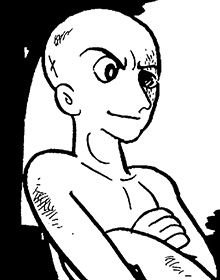 Depaデーパ3 rôles · 1978 (Shōwa 53 / 昭和53年)David Flightデービット・フライト2 rôles · 1968 (Shōwa 43 / 昭和43年)☆
 le docteur Dekōnデコーン15 rôles · 1951 (Shōwa 26 / 昭和26年)☆
 Dekobinデコビン22 rôles · 1947 (Shōwa 22 / 昭和22年)
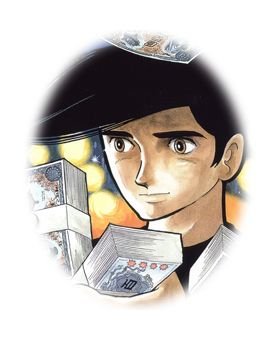 Tetsu哲1 rôle · 1979 (Shōwa 54 / 昭和54年)☆
 Osamu Tezuka手塚治虫207 rôles · 1949 (Shōwa 24 / 昭和24年)☆
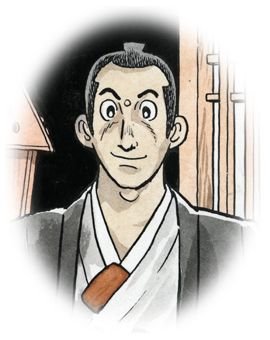 Ryōan Tezuka手塚良庵1 rôle · 1981 (Shōwa 56 / 昭和56年)
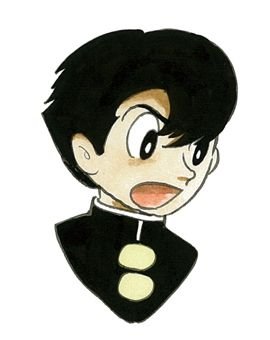 “Tetchin” Tetsuo Utsugi"テッチン"宇津木哲男1 rôle · 1968 (Shōwa 43 / 昭和43年)☆Son Altesse Deadcrossデッドクロス殿下 ☆
 le vieux Tetsunoテツノのおっさん54 rôles · 1970 (Shōwa 45 / 昭和45年)☆
 Devenデブン12 rôles · 1960 (Shōwa 35 / 昭和35年)☆
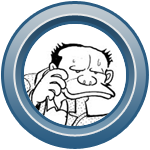 Hiroo Terada寺田ヒロオ2 rôles · 1970 (Shōwa 45 / 昭和45年)☆
 Taihei Tenka天下太平10 rôles · 1967 (Shōwa 42 / 昭和42年)
 Ichirō Tenge天外市郎2 rôles · 1972 (Shōwa 47 / 昭和47年)
 Iba Tenge天外ゐば1 rôle · 1972 (Shōwa 47 / 昭和47年)
 Sakuemon Tenge天外作右衛門1 rôle · 1972 (Shōwa 47 / 昭和47年)
 Shirō Tenge天外伺朗1 rôle · 1972 (Shōwa 47 / 昭和47年)
 Jirō Tenge天外仁朗1 rôle · 1972 (Shōwa 47 / 昭和47年)
 Sue Tenge天外すえ1 rôle · 1972 (Shōwa 47 / 昭和47年)
 Naoko Tenge天外志子1 rôle · 1972 (Shōwa 47 / 昭和47年)l’Ange n° 73天使73号1 rôle · 1970 (Shōwa 45 / 昭和45年)l’Ange n° 72天使72号1 rôle · 1970 (Shōwa 45 / 昭和45年)☆Tobio Tenma天馬飛雄 ☆
 le docteur Tenma天馬博士24 rôles · 1951 (Shōwa 26 / 昭和26年)
 Isamu Tōge峠勲1 rôle · 1983 (Shōwa 58 / 昭和58年)☆
 Sōhei Tōge峠草平2 rôles · 1983 (Shōwa 58 / 昭和58年)
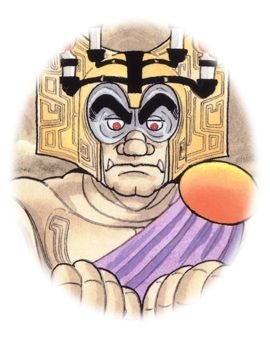 Tōdaiki燈台鬼1 rôle · 1985 (Shōwa 60 / 昭和60年)
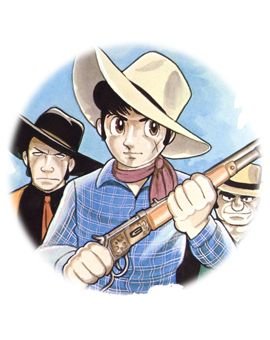 la famille Dawsonドースン一家1 rôle · 1961 (Shōwa 36 / 昭和36年)☆
 Daubermanドオベルマン3 rôles · 1970 (Shōwa 45 / 昭和45年)☆
 le docteur Kirikoドクター・キリコ12 rôles · 1974 (Shōwa 49 / 昭和49年)☆
 Dojiemonドジエモン55 rôles · 1947 (Shōwa 22 / 昭和22年)☆
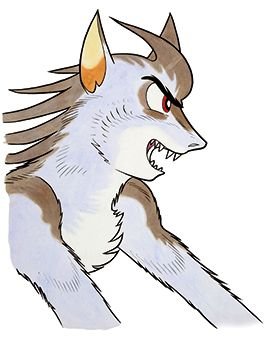 Toppeiトッペイ12 rôles · 1966 (Shōwa 41 / 昭和41年)
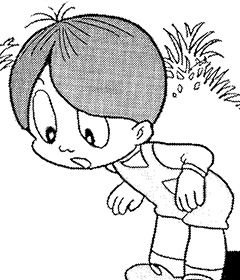 Totoトトオ1 rôle · 1970 (Shōwa 45 / 昭和45年)Donald Duckドナルドダック2 rôles · 1948 (Shōwa 23 / 昭和23年)
 Tommyトミー1 rôle · 1950 (Shōwa 25 / 昭和25年)
 Toshiko Tomura十村十枝子2 rôles · 1970 (Shōwa 45 / 昭和45年)Doraemonドラえもん1 rôle · 1981 (Shōwa 56 / 昭和56年)☆
 Tritonトリトン5 rôles · 1969 (Shōwa 44 / 昭和44年)
 Dorotheaドロテア1 rôle · 1969 (Shōwa 44 / 昭和44年)☆
 Dororoどろろ18 rôles · 1967 (Shōwa 42 / 昭和42年)☆
 le professeur Doronkoどろんこ先生6 rôles · 1976 (Shōwa 51 / 昭和51年)☆
 Donドン2 rôles · 1972 (Shōwa 47 / 昭和47年)☆
 Don Draculaドン・ドラキュラ伯爵3 rôles · 1979 (Shōwa 54 / 昭和54年)☆
 Donguriドングリ4 rôles · 1954 (Shōwa 29 / 昭和29年)
 Dontarōドン太郎1 rôle · 1957 (Shōwa 32 / 昭和32年)☆
 Tonanshipei東南西北68 rôles · 1952 (Shōwa 27 / 昭和27年)☆
 Tonpachi豚八7 rôles · 1951 (Shōwa 26 / 昭和26年)
Talinターリン3 rôles · 1969 (Shōwa 44 / 昭和44年)☆le docteur Tigreタイガー博士2 rôles · 1950 (Shōwa 25 / 昭和25年)Kensaku Daigo醍醐剣策2 rôles · 1979 (Shōwa 54 / 昭和54年)☆Daisuke大介8 rôles · 1952 (Shōwa 27 / 昭和27年)☆le Grand Prêtre大僧官3 rôles · 1959 (Shōwa 34 / 昭和34年)☆Devadattaダイバダッタ13 rôles · 1975 (Shōwa 50 / 昭和50年)Hisako Taira平良比佐子1 rôle · 1973 (Shōwa 48 / 昭和48年)☆l’ancien des Takasago高砂族の長老2 rôles · 1970 (Shōwa 45 / 昭和45年)☆Katsuya Takase高瀬勝也2 rôles · 1972 (Shōwa 47 / 昭和47年)☆Hideo Takachiho高千穂2 rôles · 1956 (Shōwa 31 / 昭和31年)le père de Takuタクの父2 rôles · 1968 (Shōwa 43 / 昭和43年)Takeruタケル1 rôle · 1962 (Shōwa 37 / 昭和37年)☆Takoタコ49 rôles · 1948 (Shōwa 23 / 昭和23年)Tadanobuタダノブ4 rôles · 1966 (Shōwa 41 / 昭和41年)Tatsukoタツ子1 rôle · 1952 (Shōwa 27 / 昭和27年)☆Tattaタッタ3 rôles · 1972 (Shōwa 47 / 昭和47年)☆le Dr Tategami田手上博士3 rôles · 1959 (Shōwa 34 / 昭和34年)☆le Dr Tadenta田田田博士3 rôles · 1972 (Shōwa 47 / 昭和47年)Nasubi Tanizoko谷底ナスビ2 rôles · 1954 (Shōwa 29 / 昭和29年)Doubleダブル2 rôles · 1960 (Shōwa 35 / 昭和35年)☆Tahōmaru醍醐多宝丸4 rôles · 1967 (Shōwa 42 / 昭和42年)☆Tamaoタマオ38 rôles · 1951 (Shōwa 26 / 昭和26年)☆Tamasaburō玉サブロー4 rôles · 1981 (Shōwa 56 / 昭和56年)Tamamiタマミ1 rôle · 1967 (Shōwa 42 / 昭和42年)Dariダリ1 rôle · 1982 (Shōwa 57 / 昭和57年)“Taro” Tarō Shirai"タロ"白井太郎1 rôle · 1958 (Shōwa 33 / 昭和33年)☆l’inspecteur Tawashi田鷲警部68 rôles · 1952 (Shōwa 27 / 昭和27年)☆Danダン1 rôle · 1963 (Shōwa 38 / 昭和38年)Tank Tankurōタンク・タンクロー1 rôle · 1945 (Shōwa 20 / 昭和20年)☆Danke Stadtダンケシュテット9 rôles · 1954 (Shōwa 29 / 昭和29年)Tange Sazen丹下左膳1 rôle · 1954 (Shōwa 29 / 昭和29年)Zenzen Tange丹下全膳1 rôle · 1969 (Shōwa 44 / 昭和44年)Takuya Dan壇タクヤ1 rôle · 1974 (Shōwa 49 / 昭和49年)☆Ti-tanチータン2 rôles · 1964 (Shōwa 39 / 昭和39年)☆Shōgo Chikaishi近石昭吾5 rôles · 1970 (Shōwa 45 / 昭和45年)★Chikara Aritake力有武139 rôles · 1947 (Shōwa 22 / 昭和22年)★Tick et Tack (Ramune et Calpis)チックとタック133 rôles · 1947 (Shōwa 22 / 昭和22年)☆Chippeiチッペイ10 rôles · 1966 (Shōwa 41 / 昭和41年)Chippoチッポ1 rôle · 1957 (Shōwa 32 / 昭和32年)Chihiroチヒロ2 rôles · 1970 (Shōwa 45 / 昭和45年)☆Chaoチャオ3 rôles · 1976 (Shōwa 51 / 昭和51年)Charlie Chaplinチャップリン1 rôle · 1973 (Shōwa 48 / 昭和48年)☆Chapraチャプラ1 rôle · 1972 (Shōwa 47 / 昭和47年)la mère de Chapraチャプラの母1 rôle · 1972 (Shōwa 47 / 昭和47年)Chiyoko (Miss Soyokaze)チヨコ2 rôles · 1955 (Shōwa 30 / 昭和30年)☆Chocolaチョコラ2 rôles · 1979 (Shōwa 54 / 昭和54年)☆Chochi Chochi Ababa IIIチョチ・チョチ・アババ三世 ☆Chiruchiruチルチル18 rôles · 1948 (Shōwa 23 / 昭和23年)☆Tinkチンク13 rôles · 1953 (Shōwa 28 / 昭和28年)☆Tsukio月男1 rôle · 1948 (Shōwa 23 / 昭和23年)☆Tsugioツギオ Gorō Tsukinashi火水木吾郎2 rôles · 1969 (Shōwa 44 / 昭和44年)☆Depaデーパ3 rôles · 1978 (Shōwa 53 / 昭和53年)David Flightデービット・フライト2 rôles · 1968 (Shōwa 43 / 昭和43年)☆le docteur Dekōnデコーン15 rôles · 1951 (Shōwa 26 / 昭和26年)☆Dekobinデコビン22 rôles · 1947 (Shōwa 22 / 昭和22年)Tetsu哲1 rôle · 1979 (Shōwa 54 / 昭和54年)☆Osamu Tezuka手塚治虫207 rôles · 1949 (Shōwa 24 / 昭和24年)☆Ryōan Tezuka手塚良庵1 rôle · 1981 (Shōwa 56 / 昭和56年)“Tetchin” Tetsuo Utsugi"テッチン"宇津木哲男1 rôle · 1968 (Shōwa 43 / 昭和43年)☆Son Altesse Deadcrossデッドクロス殿下 ☆le vieux Tetsunoテツノのおっさん54 rôles · 1970 (Shōwa 45 / 昭和45年)☆Devenデブン12 rôles · 1960 (Shōwa 35 / 昭和35年)☆Hiroo Terada寺田ヒロオ2 rôles · 1970 (Shōwa 45 / 昭和45年)☆Taihei Tenka天下太平10 rôles · 1967 (Shōwa 42 / 昭和42年)Ichirō Tenge天外市郎2 rôles · 1972 (Shōwa 47 / 昭和47年)Iba Tenge天外ゐば1 rôle · 1972 (Shōwa 47 / 昭和47年)Sakuemon Tenge天外作右衛門1 rôle · 1972 (Shōwa 47 / 昭和47年)Shirō Tenge天外伺朗1 rôle · 1972 (Shōwa 47 / 昭和47年)Jirō Tenge天外仁朗1 rôle · 1972 (Shōwa 47 / 昭和47年)Sue Tenge天外すえ1 rôle · 1972 (Shōwa 47 / 昭和47年)Naoko Tenge天外志子1 rôle · 1972 (Shōwa 47 / 昭和47年)l’Ange n° 73天使73号1 rôle · 1970 (Shōwa 45 / 昭和45年)l’Ange n° 72天使72号1 rôle · 1970 (Shōwa 45 / 昭和45年)☆Tobio Tenma天馬飛雄 ☆le docteur Tenma天馬博士24 rôles · 1951 (Shōwa 26 / 昭和26年)Isamu Tōge峠勲1 rôle · 1983 (Shōwa 58 / 昭和58年)☆Sōhei Tōge峠草平2 rôles · 1983 (Shōwa 58 / 昭和58年)Tōdaiki燈台鬼1 rôle · 1985 (Shōwa 60 / 昭和60年)la famille Dawsonドースン一家1 rôle · 1961 (Shōwa 36 / 昭和36年)☆Daubermanドオベルマン3 rôles · 1970 (Shōwa 45 / 昭和45年)☆le docteur Kirikoドクター・キリコ12 rôles · 1974 (Shōwa 49 / 昭和49年)☆Dojiemonドジエモン55 rôles · 1947 (Shōwa 22 / 昭和22年)☆Toppeiトッペイ12 rôles · 1966 (Shōwa 41 / 昭和41年)Totoトトオ1 rôle · 1970 (Shōwa 45 / 昭和45年)Donald Duckドナルドダック2 rôles · 1948 (Shōwa 23 / 昭和23年)Tommyトミー1 rôle · 1950 (Shōwa 25 / 昭和25年)Toshiko Tomura十村十枝子2 rôles · 1970 (Shōwa 45 / 昭和45年)Doraemonドラえもん1 rôle · 1981 (Shōwa 56 / 昭和56年)☆Tritonトリトン5 rôles · 1969 (Shōwa 44 / 昭和44年)Dorotheaドロテア1 rôle · 1969 (Shōwa 44 / 昭和44年)☆Dororoどろろ18 rôles · 1967 (Shōwa 42 / 昭和42年)☆le professeur Doronkoどろんこ先生6 rôles · 1976 (Shōwa 51 / 昭和51年)☆Donドン2 rôles · 1972 (Shōwa 47 / 昭和47年)☆Don Draculaドン・ドラキュラ伯爵3 rôles · 1979 (Shōwa 54 / 昭和54年)☆Donguriドングリ4 rôles · 1954 (Shōwa 29 / 昭和29年)Dontarōドン太郎1 rôle · 1957 (Shōwa 32 / 昭和32年)☆Tonanshipei東南西北68 rôles · 1952 (Shōwa 27 / 昭和27年)☆Tonpachi豚八7 rôles · 1951 (Shōwa 26 / 昭和26年)な
☆ le baron Nylonナイロン卿32 rôles · 1952 (Shōwa 27 / 昭和27年)☆
 Naomiナオミ2 rôles · 1970 (Shōwa 45 / 昭和45年)☆
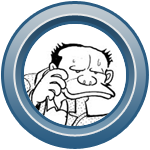 Gō Nagai永井豪5 rôles · 1972 (Shōwa 47 / 昭和47年)☆
 Taku Nakajō中条タク4 rôles · 1967 (Shōwa 42 / 昭和42年)
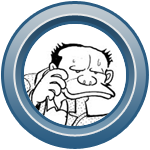 Kunio Nagatani長谷邦夫4 rôles · 1970 (Shōwa 45 / 昭和45年)☆
 Kōtarō Nakahama中浜好太郎1 rôle · 1973 (Shōwa 48 / 昭和48年)☆
 le chef Nakamura中村課長47 rôles · 1952 (Shōwa 27 / 昭和27年)
 le chef Nakamura et l’inspecteur Tawashi中村課長と田鷲警部34 rôles · 1952 (Shōwa 27 / 昭和27年)☆Nagiナギ ☆
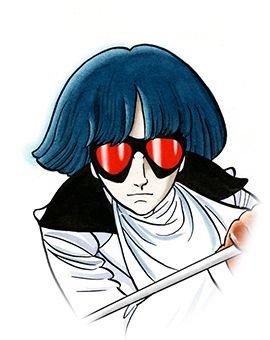 la Perruche aux sept couleurs七色いんこ1 rôle · 1981 (Shōwa 56 / 昭和56年)☆Inconnu (Kaos, 1)名前不明1 rôle · 1978 (Shōwa 53 / 昭和53年)☆Inconnu (Kaos, 2)名前不明1 rôle · 1978 (Shōwa 53 / 昭和53年)☆
 Namioka浪岡の殿様4 rôles · 1971 (Shōwa 46 / 昭和46年)☆
 Naradattaナラダッタ1 rôle · 1972 (Shōwa 47 / 昭和47年)
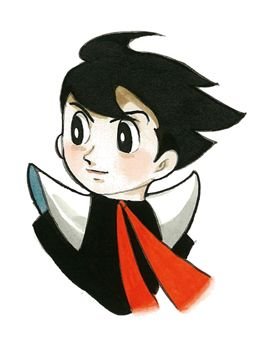 Numéro 7ナンバー73 rôles · 1961 (Shōwa 36 / 昭和36年)☆Ninaニーナ1 rôle · 1963 (Shōwa 38 / 昭和38年)
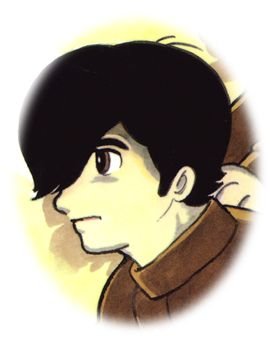 Isami Nishitani西谷イサミ1 rôle · 1970 (Shōwa 45 / 昭和45年)☆
 Smiley Smithニッコリ・スミス2 rôles · 1953 (Shōwa 28 / 昭和28年)
 Toroko Neoki根沖トロ子1 rôle · 1985 (Shōwa 60 / 昭和60年)☆
 North n° 2ノース2号1 rôle · 1964 (Shōwa 39 / 昭和39年)
 le prince Normanノーマン王子1 rôle · 1968 (Shōwa 43 / 昭和43年)★
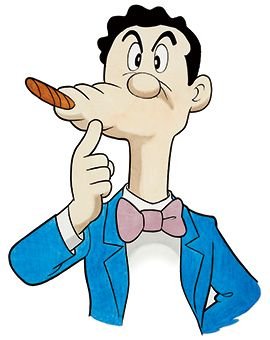 Norse Necktallノールス・ヌケトール97 rôles · 1948 (Shōwa 23 / 昭和23年)☆
 Notarinノタアリン81 rôles · 1948 (Shōwa 23 / 昭和23年)☆
 Nokkoノッコ1 rôle · 1965 (Shōwa 40 / 昭和40年)☆
 Noraculaノラキュラ18 rôles · 1973 (Shōwa 48 / 昭和48年)Norakuroのらくろ2 rôles · 1948 (Shōwa 23 / 昭和23年)☆
 Nonki Meganeノンキメガネ44 rôles · 1943 (Shōwa 18 / 昭和18年)
le baron Nylonナイロン卿32 rôles · 1952 (Shōwa 27 / 昭和27年)☆Naomiナオミ2 rôles · 1970 (Shōwa 45 / 昭和45年)☆Gō Nagai永井豪5 rôles · 1972 (Shōwa 47 / 昭和47年)☆Taku Nakajō中条タク4 rôles · 1967 (Shōwa 42 / 昭和42年)Kunio Nagatani長谷邦夫4 rôles · 1970 (Shōwa 45 / 昭和45年)☆Kōtarō Nakahama中浜好太郎1 rôle · 1973 (Shōwa 48 / 昭和48年)☆le chef Nakamura中村課長47 rôles · 1952 (Shōwa 27 / 昭和27年)le chef Nakamura et l’inspecteur Tawashi中村課長と田鷲警部34 rôles · 1952 (Shōwa 27 / 昭和27年)☆Nagiナギ ☆la Perruche aux sept couleurs七色いんこ1 rôle · 1981 (Shōwa 56 / 昭和56年)☆Inconnu (Kaos, 1)名前不明1 rôle · 1978 (Shōwa 53 / 昭和53年)☆Inconnu (Kaos, 2)名前不明1 rôle · 1978 (Shōwa 53 / 昭和53年)☆Namioka浪岡の殿様4 rôles · 1971 (Shōwa 46 / 昭和46年)☆Naradattaナラダッタ1 rôle · 1972 (Shōwa 47 / 昭和47年)Numéro 7ナンバー73 rôles · 1961 (Shōwa 36 / 昭和36年)☆Ninaニーナ1 rôle · 1963 (Shōwa 38 / 昭和38年)Isami Nishitani西谷イサミ1 rôle · 1970 (Shōwa 45 / 昭和45年)☆Smiley Smithニッコリ・スミス2 rôles · 1953 (Shōwa 28 / 昭和28年)Toroko Neoki根沖トロ子1 rôle · 1985 (Shōwa 60 / 昭和60年)☆North n° 2ノース2号1 rôle · 1964 (Shōwa 39 / 昭和39年)le prince Normanノーマン王子1 rôle · 1968 (Shōwa 43 / 昭和43年)★Norse Necktallノールス・ヌケトール97 rôles · 1948 (Shōwa 23 / 昭和23年)☆Notarinノタアリン81 rôles · 1948 (Shōwa 23 / 昭和23年)☆Nokkoノッコ1 rôle · 1965 (Shōwa 40 / 昭和40年)☆Noraculaノラキュラ18 rôles · 1973 (Shōwa 48 / 昭和48年)Norakuroのらくろ2 rôles · 1948 (Shōwa 23 / 昭和23年)☆Nonki Meganeノンキメガネ44 rôles · 1943 (Shōwa 18 / 昭和18年)は
☆ le Docteur博士4 rôles · 1953 (Shōwa 28 / 昭和28年)
 Pakoパコ1 rôle · 1957 (Shōwa 32 / 昭和32年)
 Hakobeはこべ2 rôles · 1955 (Shōwa 30 / 昭和30年)☆la mère de Black Jack間黒男の母 Hakkai八戒2 rôles · 1952 (Shōwa 27 / 昭和27年)☆Bhaddiyaバッディヤ Batバット2 rôles · 1947 (Shōwa 22 / 昭和22年)
 Hatomaruハト丸1 rôle · 1964 (Shōwa 39 / 昭和39年)★
 le docteur Hanamaru花丸博士56 rôles · 1948 (Shōwa 23 / 昭和23年)☆
 Hanawa Omoshi花輪重志14 rôles · 1945 (Shōwa 20 / 昭和20年)☆
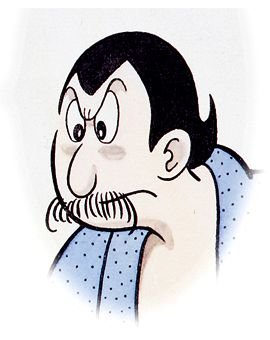 Noboru Baba馬場のぼる39 rôles · 1952 (Shōwa 27 / 昭和27年)
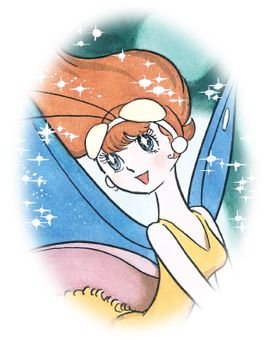 Papillonパピヨン1 rôle · 1976 (Shōwa 51 / 昭和51年)Dr. Pablosパブロス博士2 rôles · 1957 (Shōwa 32 / 昭和32年)★
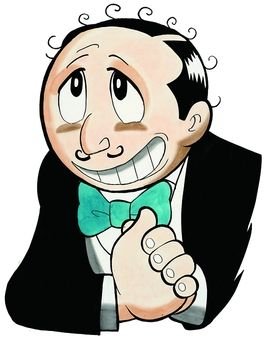 Hameggハム・エッグ155 rôles · 1948 (Shōwa 23 / 昭和23年)☆
 Barbaraバルボラ5 rôles · 1973 (Shōwa 48 / 昭和48年)☆
 Nagisa Harumi晴海なぎさ3 rôles · 1968 (Shōwa 43 / 昭和43年)
 Baronバロン1 rôle · 1947 (Shōwa 22 / 昭和22年)
 Panパン1 rôle · 1947 (Shōwa 22 / 昭和22年)
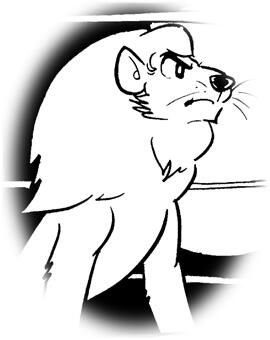 Panjaパンジャ2 rôles · 1950 (Shōwa 25 / 昭和25年)☆
 Hans Engelハンス・エンゲル4 rôles · 1963 (Shōwa 38 / 昭和38年)Shōsuke Bandai盤台庄助3 rôles · 1958 (Shōwa 33 / 昭和33年)
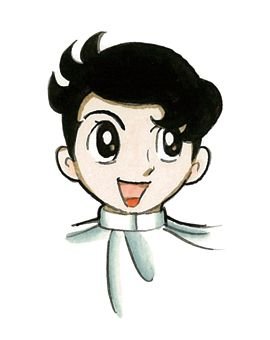 Daisuke Ban伴大介3 rôles · 1961 (Shōwa 36 / 昭和36年)☆
 Bandakaバンダカ2 rôles · 1972 (Shōwa 47 / 昭和47年)☆
 Punchパンチ4 rôles · 1967 (Shōwa 42 / 昭和42年)Biiko-chanびいこちゃん2 rôles · 1954 (Shōwa 29 / 昭和29年)Peterピーター2 rôles · 1949 (Shōwa 24 / 昭和24年)
 Vénusビーナス1 rôle · 1976 (Shōwa 51 / 昭和51年)
 Violettaビオレッタ1 rôle · 1958 (Shōwa 33 / 昭和33年)☆
 Hikari光4 rôles · 1959 (Shōwa 34 / 昭和34年)★
 Higeoyaji (Shunsaku Ban)ヒゲオヤジ264 rôles · 1943 (Shōwa 18 / 昭和18年)☆
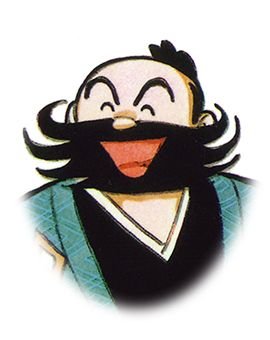 Higedarumaヒゲダルマ15 rôles · 1949 (Shōwa 24 / 昭和24年)☆
 Pickピック6 rôles · 1959 (Shōwa 34 / 昭和34年)☆
 Hitoshiヒトシ2 rôles · 1971 (Shōwa 46 / 昭和46年)☆
 le père de Hitoshiヒトシの父3 rôles · 1971 (Shōwa 46 / 昭和46年)☆
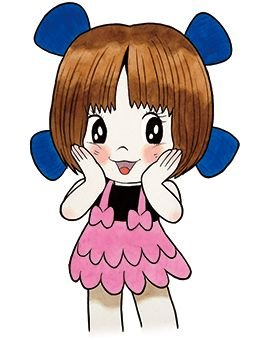 Pinokoピノコ7 rôles · 1974 (Shōwa 49 / 昭和49年)☆
 le Phénix火の鳥23 rôles · 1954 (Shōwa 29 / 昭和29年)☆
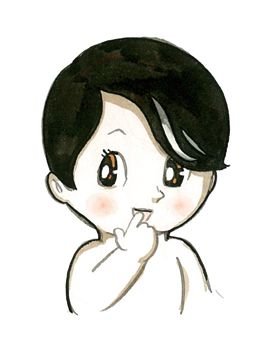 Pippiピピちゃん7 rôles · 1951 (Shōwa 26 / 昭和26年)Miss Himawariひまわりさん2 rôles · 1956 (Shōwa 31 / 昭和31年)
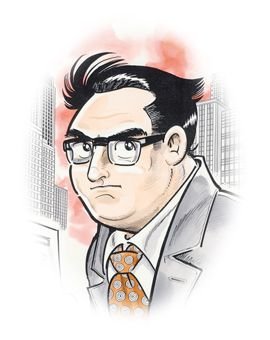 Hitoshi Himoto日本人1 rôle · 1987 (Shōwa 62 / 昭和62年)☆
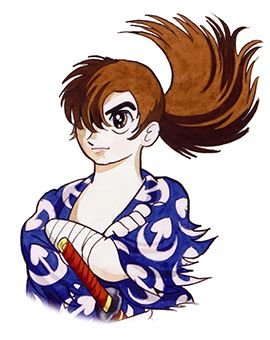 Hyakkimaru百鬼丸9 rôles · 1967 (Shōwa 42 / 昭和42年)
 Hiyuko"ひまわりさん"日由子2 rôles · 1956 (Shōwa 31 / 昭和31年)☆
 Hyōtantsugiヒョウタンツギ368 rôles · 1939 (Shōwa 14 / 昭和14年)Hyōrokuひょう六1 rôle · 1974 (Shōwa 49 / 昭和49年)
 Hirunヒルン1 rôle · 1970 (Shōwa 45 / 昭和45年)Pironピロン3 rôles · 1960 (Shōwa 35 / 昭和35年)☆
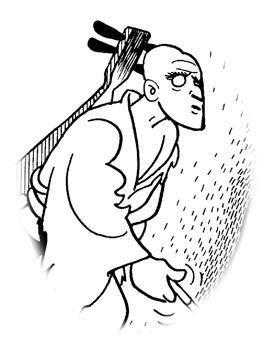 Biwamaru琵琶丸5 rôles · 1967 (Shōwa 42 / 昭和42年)
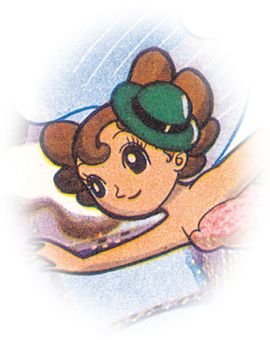 Pinkピンク2 rôles · 1957 (Shōwa 32 / 昭和32年)
 Faustファウスト1 rôle · 1950 (Shōwa 25 / 昭和25年)☆
 le roi de Faust『ファウスト』の王様12 rôles · 1950 (Shōwa 25 / 昭和25年)☆
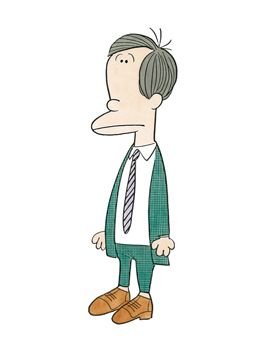 Fūsukeフースケ35 rôles · 1969 (Shōwa 44 / 昭和44年)☆
 le docteur Foolerフーラー博士17 rôles · 1958 (Shōwa 33 / 昭和33年)
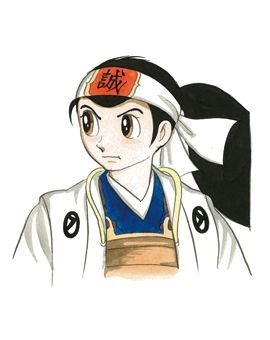 Kyūjūrō Fukakusa深草丘十郎1 rôle · 1963 (Shōwa 38 / 昭和38年)Bugabogaブガボガ2 rôles · 1946 (Shōwa 21 / 昭和21年)Boogie-Woogieブギウギ2 rôles · 1948 (Shōwa 23 / 昭和23年)★
 Buku Bukkuブク・ブック81 rôles · 1947 (Shōwa 22 / 昭和22年)☆
 Eiichi Fukui福井英一7 rôles · 1952 (Shōwa 27 / 昭和27年)Fuku-chanフクちゃん4 rôles · 1945 (Shōwa 20 / 昭和20年)☆
 Bukutsugigyuブクツギギュ20 rôles · 1942 (Shōwa 17 / 昭和17年)
 Psychéプシケ1 rôle · 1976 (Shōwa 51 / 昭和51年)☆
 Hiroshi Fujimoto藤本弘9 rôles · 1970 (Shōwa 45 / 昭和45年)☆le général Budaiブダイ ☆
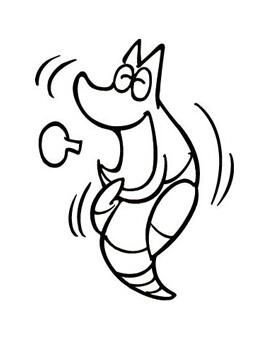 Butanagiブタナギ26 rôles · 1942 (Shōwa 17 / 昭和17年)★
 Butamo Makeru豚藻負児71 rôles · 1947 (Shōwa 22 / 昭和22年)
 Bukkiraブッキラ1 rôle · 1985 (Shōwa 60 / 昭和60年)☆
 Pukkoプッコ14 rôles · 1965 (Shōwa 40 / 昭和40年)Pupoプポ2 rôles · 1945 (Shōwa 20 / 昭和20年)☆Buyanブヤン2 rôles · 1950 (Shōwa 25 / 昭和25年)☆
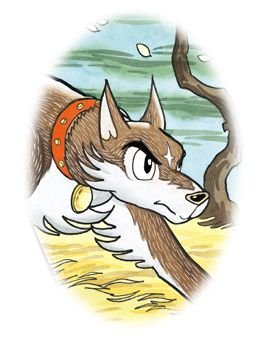 Flying Benベン5 rôles · 1966 (Shōwa 41 / 昭和41年)
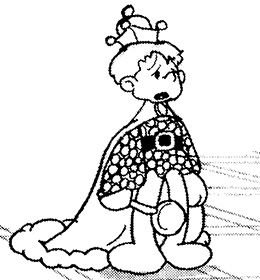 Plasticプラスチック1 rôle · 1953 (Shōwa 28 / 昭和28年)Black Luxブラック・ルックス2 rôles · 1957 (Shōwa 32 / 昭和32年)☆
 Black Jackブラック・ジャック211 rôles · 1973 (Shōwa 48 / 昭和48年)☆
 Captain Bloodブラッド2 rôles · 1963 (Shōwa 38 / 昭和38年)le Président de Blood Arrow Oilブラッドアロー石油会長2 rôles · 1976 (Shōwa 51 / 昭和51年)☆
 Frankensteinフランケンシュタイン23 rôles · 1949 (Shōwa 24 / 昭和24年)☆
 le prince Franzフランツ6 rôles · 1953 (Shōwa 28 / 昭和28年)☆
 Brandoブランド1 rôle · 1964 (Shōwa 39 / 昭和39年)☆
 Plutonプルートウ2 rôles · 1964 (Shōwa 39 / 昭和39年)
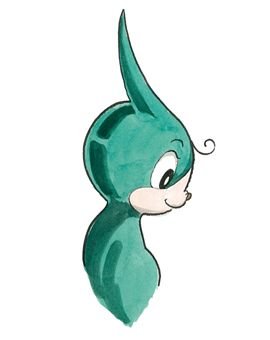 Burungaブルンガ2 rôles · 1968 (Shōwa 43 / 昭和43年)Burungoブルンゴ1 rôle · 1968 (Shōwa 43 / 昭和43年)
 Frédéricフレデリック1 rôle · 1975 (Shōwa 50 / 昭和50年)
 Bunpuku文福1 rôle · 1974 (Shōwa 49 / 昭和49年)☆
 Commander Vegaベガー少佐4 rôles · 1968 (Shōwa 43 / 昭和43年)☆
 Hécateヘケート4 rôles · 1963 (Shōwa 38 / 昭和38年)☆
 Heck Benヘック・ベン71 rôles · 1951 (Shōwa 26 / 昭和26年)
 Heptapodaヘプタポーダ1 rôle · 1969 (Shōwa 44 / 昭和44年)☆
 Herculeヘラクレス1 rôle · 1964 (Shōwa 39 / 昭和39年)☆le professeur Hellsingヘルシング教授 ☆
 Madame Hellヘル夫人9 rôles · 1954 (Shōwa 29 / 昭和29年)Benkeiべんけい1 rôle · 1976 (Shōwa 51 / 昭和51年)
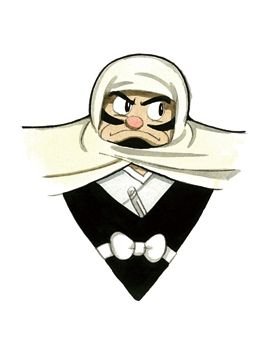 Benkei弁慶1 rôle · 1954 (Shōwa 29 / 昭和29年)☆
 Pork Stroganoffポーク・ストロガノフ7 rôles · 1972 (Shōwa 47 / 昭和47年)Hō Sayokaホーさよか7 rôles · 1975 (Shōwa 50 / 昭和50年)☆
 Kōichi Hoshi星 光一1 rôle · 1965 (Shōwa 40 / 昭和40年)☆
 Shin’ichi Hoshi星真一5 rôles · 1965 (Shōwa 40 / 昭和40年)Shin’ichi Hoshi (écrivain)星新一1 rôle · 1967 (Shōwa 42 / 昭和42年)☆
 Poséidonポセイドン3 rôles · 1969 (Shōwa 44 / 昭和44年)☆
 Bokkoボッコ7 rôles · 1965 (Shōwa 40 / 昭和40年)Popeyeポパイ5 rôles · 1948 (Shōwa 23 / 昭和23年)Poppyポピー2 rôles · 1947 (Shōwa 22 / 昭和22年)
 Poponyaポポーニャ1 rôle · 1951 (Shōwa 26 / 昭和26年)☆
 Boraボラー1 rôle · 1964 (Shōwa 39 / 昭和39年)☆
 Kazuyasu Hori堀一康8 rôles · 1971 (Shōwa 46 / 昭和46年)☆
 Bolorkineボローキン10 rôles · 1948 (Shōwa 23 / 昭和23年)Pon Shonポン・ション2 rôles · 1974 (Shōwa 49 / 昭和49年)☆
 Bongoボンゴ9 rôles · 1961 (Shōwa 36 / 昭和36年)Honjitsu Kyūgyō本日休業3 rôles · 1972 (Shōwa 47 / 昭和47年)
 le colonel Honda本多1 rôle · 1983 (Shōwa 58 / 昭和58年)
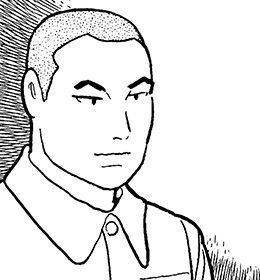 Yoshio Honda本多芳男1 rôle · 1983 (Shōwa 58 / 昭和58年)
le Docteur博士4 rôles · 1953 (Shōwa 28 / 昭和28年)Pakoパコ1 rôle · 1957 (Shōwa 32 / 昭和32年)Hakobeはこべ2 rôles · 1955 (Shōwa 30 / 昭和30年)☆la mère de Black Jack間黒男の母 Hakkai八戒2 rôles · 1952 (Shōwa 27 / 昭和27年)☆Bhaddiyaバッディヤ Batバット2 rôles · 1947 (Shōwa 22 / 昭和22年)Hatomaruハト丸1 rôle · 1964 (Shōwa 39 / 昭和39年)★le docteur Hanamaru花丸博士56 rôles · 1948 (Shōwa 23 / 昭和23年)☆Hanawa Omoshi花輪重志14 rôles · 1945 (Shōwa 20 / 昭和20年)☆Noboru Baba馬場のぼる39 rôles · 1952 (Shōwa 27 / 昭和27年)Papillonパピヨン1 rôle · 1976 (Shōwa 51 / 昭和51年)Dr. Pablosパブロス博士2 rôles · 1957 (Shōwa 32 / 昭和32年)★Hameggハム・エッグ155 rôles · 1948 (Shōwa 23 / 昭和23年)☆Barbaraバルボラ5 rôles · 1973 (Shōwa 48 / 昭和48年)☆Nagisa Harumi晴海なぎさ3 rôles · 1968 (Shōwa 43 / 昭和43年)Baronバロン1 rôle · 1947 (Shōwa 22 / 昭和22年)Panパン1 rôle · 1947 (Shōwa 22 / 昭和22年)Panjaパンジャ2 rôles · 1950 (Shōwa 25 / 昭和25年)☆Hans Engelハンス・エンゲル4 rôles · 1963 (Shōwa 38 / 昭和38年)Shōsuke Bandai盤台庄助3 rôles · 1958 (Shōwa 33 / 昭和33年)Daisuke Ban伴大介3 rôles · 1961 (Shōwa 36 / 昭和36年)☆Bandakaバンダカ2 rôles · 1972 (Shōwa 47 / 昭和47年)☆Punchパンチ4 rôles · 1967 (Shōwa 42 / 昭和42年)Biiko-chanびいこちゃん2 rôles · 1954 (Shōwa 29 / 昭和29年)Peterピーター2 rôles · 1949 (Shōwa 24 / 昭和24年)Vénusビーナス1 rôle · 1976 (Shōwa 51 / 昭和51年)Violettaビオレッタ1 rôle · 1958 (Shōwa 33 / 昭和33年)☆Hikari光4 rôles · 1959 (Shōwa 34 / 昭和34年)★Higeoyaji (Shunsaku Ban)ヒゲオヤジ264 rôles · 1943 (Shōwa 18 / 昭和18年)☆Higedarumaヒゲダルマ15 rôles · 1949 (Shōwa 24 / 昭和24年)☆Pickピック6 rôles · 1959 (Shōwa 34 / 昭和34年)☆Hitoshiヒトシ2 rôles · 1971 (Shōwa 46 / 昭和46年)☆le père de Hitoshiヒトシの父3 rôles · 1971 (Shōwa 46 / 昭和46年)☆Pinokoピノコ7 rôles · 1974 (Shōwa 49 / 昭和49年)☆le Phénix火の鳥23 rôles · 1954 (Shōwa 29 / 昭和29年)☆Pippiピピちゃん7 rôles · 1951 (Shōwa 26 / 昭和26年)Miss Himawariひまわりさん2 rôles · 1956 (Shōwa 31 / 昭和31年)Hitoshi Himoto日本人1 rôle · 1987 (Shōwa 62 / 昭和62年)☆Hyakkimaru百鬼丸9 rôles · 1967 (Shōwa 42 / 昭和42年)Hiyuko"ひまわりさん"日由子2 rôles · 1956 (Shōwa 31 / 昭和31年)☆Hyōtantsugiヒョウタンツギ368 rôles · 1939 (Shōwa 14 / 昭和14年)Hyōrokuひょう六1 rôle · 1974 (Shōwa 49 / 昭和49年)Hirunヒルン1 rôle · 1970 (Shōwa 45 / 昭和45年)Pironピロン3 rôles · 1960 (Shōwa 35 / 昭和35年)☆Biwamaru琵琶丸5 rôles · 1967 (Shōwa 42 / 昭和42年)Pinkピンク2 rôles · 1957 (Shōwa 32 / 昭和32年)Faustファウスト1 rôle · 1950 (Shōwa 25 / 昭和25年)☆le roi de Faust『ファウスト』の王様12 rôles · 1950 (Shōwa 25 / 昭和25年)☆Fūsukeフースケ35 rôles · 1969 (Shōwa 44 / 昭和44年)☆le docteur Foolerフーラー博士17 rôles · 1958 (Shōwa 33 / 昭和33年)Kyūjūrō Fukakusa深草丘十郎1 rôle · 1963 (Shōwa 38 / 昭和38年)Bugabogaブガボガ2 rôles · 1946 (Shōwa 21 / 昭和21年)Boogie-Woogieブギウギ2 rôles · 1948 (Shōwa 23 / 昭和23年)★Buku Bukkuブク・ブック81 rôles · 1947 (Shōwa 22 / 昭和22年)☆Eiichi Fukui福井英一7 rôles · 1952 (Shōwa 27 / 昭和27年)Fuku-chanフクちゃん4 rôles · 1945 (Shōwa 20 / 昭和20年)☆Bukutsugigyuブクツギギュ20 rôles · 1942 (Shōwa 17 / 昭和17年)Psychéプシケ1 rôle · 1976 (Shōwa 51 / 昭和51年)☆Hiroshi Fujimoto藤本弘9 rôles · 1970 (Shōwa 45 / 昭和45年)☆le général Budaiブダイ ☆Butanagiブタナギ26 rôles · 1942 (Shōwa 17 / 昭和17年)★Butamo Makeru豚藻負児71 rôles · 1947 (Shōwa 22 / 昭和22年)Bukkiraブッキラ1 rôle · 1985 (Shōwa 60 / 昭和60年)☆Pukkoプッコ14 rôles · 1965 (Shōwa 40 / 昭和40年)Pupoプポ2 rôles · 1945 (Shōwa 20 / 昭和20年)☆Buyanブヤン2 rôles · 1950 (Shōwa 25 / 昭和25年)☆Flying Benベン5 rôles · 1966 (Shōwa 41 / 昭和41年)Plasticプラスチック1 rôle · 1953 (Shōwa 28 / 昭和28年)Black Luxブラック・ルックス2 rôles · 1957 (Shōwa 32 / 昭和32年)☆Black Jackブラック・ジャック211 rôles · 1973 (Shōwa 48 / 昭和48年)☆Captain Bloodブラッド2 rôles · 1963 (Shōwa 38 / 昭和38年)le Président de Blood Arrow Oilブラッドアロー石油会長2 rôles · 1976 (Shōwa 51 / 昭和51年)☆Frankensteinフランケンシュタイン23 rôles · 1949 (Shōwa 24 / 昭和24年)☆le prince Franzフランツ6 rôles · 1953 (Shōwa 28 / 昭和28年)☆Brandoブランド1 rôle · 1964 (Shōwa 39 / 昭和39年)☆Plutonプルートウ2 rôles · 1964 (Shōwa 39 / 昭和39年)Burungaブルンガ2 rôles · 1968 (Shōwa 43 / 昭和43年)Burungoブルンゴ1 rôle · 1968 (Shōwa 43 / 昭和43年)Frédéricフレデリック1 rôle · 1975 (Shōwa 50 / 昭和50年)Bunpuku文福1 rôle · 1974 (Shōwa 49 / 昭和49年)☆Commander Vegaベガー少佐4 rôles · 1968 (Shōwa 43 / 昭和43年)☆Hécateヘケート4 rôles · 1963 (Shōwa 38 / 昭和38年)☆Heck Benヘック・ベン71 rôles · 1951 (Shōwa 26 / 昭和26年)Heptapodaヘプタポーダ1 rôle · 1969 (Shōwa 44 / 昭和44年)☆Herculeヘラクレス1 rôle · 1964 (Shōwa 39 / 昭和39年)☆le professeur Hellsingヘルシング教授 ☆Madame Hellヘル夫人9 rôles · 1954 (Shōwa 29 / 昭和29年)Benkeiべんけい1 rôle · 1976 (Shōwa 51 / 昭和51年)Benkei弁慶1 rôle · 1954 (Shōwa 29 / 昭和29年)☆Pork Stroganoffポーク・ストロガノフ7 rôles · 1972 (Shōwa 47 / 昭和47年)Hō Sayokaホーさよか7 rôles · 1975 (Shōwa 50 / 昭和50年)☆Kōichi Hoshi星 光一1 rôle · 1965 (Shōwa 40 / 昭和40年)☆Shin’ichi Hoshi星真一5 rôles · 1965 (Shōwa 40 / 昭和40年)Shin’ichi Hoshi (écrivain)星新一1 rôle · 1967 (Shōwa 42 / 昭和42年)☆Poséidonポセイドン3 rôles · 1969 (Shōwa 44 / 昭和44年)☆Bokkoボッコ7 rôles · 1965 (Shōwa 40 / 昭和40年)Popeyeポパイ5 rôles · 1948 (Shōwa 23 / 昭和23年)Poppyポピー2 rôles · 1947 (Shōwa 22 / 昭和22年)Poponyaポポーニャ1 rôle · 1951 (Shōwa 26 / 昭和26年)☆Boraボラー1 rôle · 1964 (Shōwa 39 / 昭和39年)☆Kazuyasu Hori堀一康8 rôles · 1971 (Shōwa 46 / 昭和46年)☆Bolorkineボローキン10 rôles · 1948 (Shōwa 23 / 昭和23年)Pon Shonポン・ション2 rôles · 1974 (Shōwa 49 / 昭和49年)☆Bongoボンゴ9 rôles · 1961 (Shōwa 36 / 昭和36年)Honjitsu Kyūgyō本日休業3 rôles · 1972 (Shōwa 47 / 昭和47年)le colonel Honda本多1 rôle · 1983 (Shōwa 58 / 昭和58年)Yoshio Honda本多芳男1 rôle · 1983 (Shōwa 58 / 昭和58年)ま
☆ Mā-chanマアチャン5 rôles · 1946 (Shōwa 21 / 昭和21年)☆Mouse Boyマウス・ボーイ Maega Mienマエガ・ミエン8 rôles · 1948 (Shōwa 23 / 昭和23年)
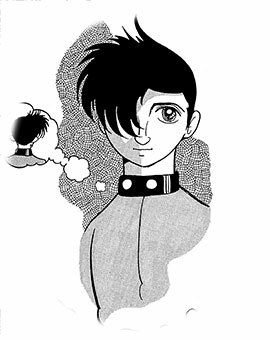 Makimura牧村2 rôles · 1969 (Shōwa 44 / 昭和44年)☆
 Magooマグー27 rôles · 1962 (Shōwa 37 / 昭和37年)☆
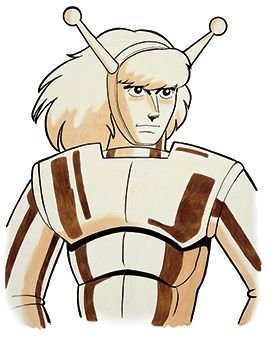 l’Ambassadeur Magmaマグマ7 rôles · 1965 (Shōwa 40 / 昭和40年)☆
 McCrackenマクラッケン2 rôles · 1970 (Shōwa 45 / 昭和45年)
 Masayanマサヤン1 rôle · 1961 (Shōwa 36 / 昭和36年)Jiro Matsuzawa松沢ジロ1 rôle · 1968 (Shōwa 43 / 昭和43年)
 Kurumi Matsumoto松本くるみ1 rôle · 1974 (Shōwa 49 / 昭和49年)☆
 Mamāママー32 rôles · 1939 (Shōwa 14 / 昭和14年)
 Mayuマユ1 rôle · 1978 (Shōwa 53 / 昭和53年)☆
 Mariaマリア1 rôle · 1970 (Shōwa 45 / 昭和45年)
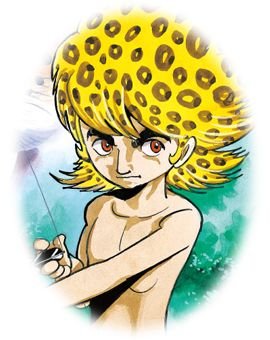 Mario麻里夫2 rôles · 1975 (Shōwa 50 / 昭和50年)☆
 Boon Marukubi丸首ブーン77 rôles · 1956 (Shōwa 31 / 昭和31年)☆
 le Dieu du manga漫画の神様2 rôles · 1970 (Shōwa 45 / 昭和45年)☆
 le Docteur Mikazuki三日月君12 rôles · 1948 (Shōwa 23 / 昭和23年)
 Yōsuke Mikura美倉洋介1 rôle · 1973 (Shōwa 48 / 昭和48年)☆
 Migailaミゲーラ18 rôles · 1972 (Shōwa 47 / 昭和47年)Ryōtarō Mizuno水野瞭太郎1 rôle · 1970 (Shōwa 45 / 昭和45年)☆Michikoミチコ2 rôles · 1973 (Shōwa 48 / 昭和48年)Mickey Mouseミッキーマウス3 rôles · 1948 (Shōwa 23 / 昭和23年)★
 Mitchiiミッチイ71 rôles · 1947 (Shōwa 22 / 昭和22年)☆
 Mittsunミッツン18 rôles · 1943 (Shōwa 18 / 昭和18年)
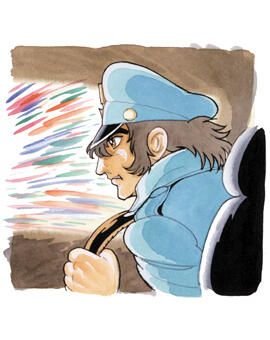 Midnightミッドナイト1 rôle · 1986 (Shōwa 61 / 昭和61年)
 Midorimaru緑丸1 rôle · 1959 (Shōwa 34 / 昭和34年)☆
 le Dr Midoro美土路博士3 rôles · 1973 (Shōwa 48 / 昭和48年)☆
 Manabu Midoro美土路マナブ2 rôles · 1973 (Shōwa 48 / 昭和48年)☆
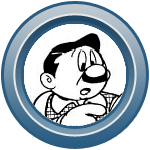 Ken Minakami水上ケン3 rôles · 1960 (Shōwa 35 / 昭和35年)
 Mignonミニヨン1 rôle · 1957 (Shōwa 32 / 昭和32年)
 Minoruミノル1 rôle · 1960 (Shōwa 35 / 昭和35年)
 Mimiミミ1 rôle · 1956 (Shōwa 31 / 昭和31年)☆
 Mimioミイちゃん9 rôles · 1945 (Shōwa 20 / 昭和20年)☆
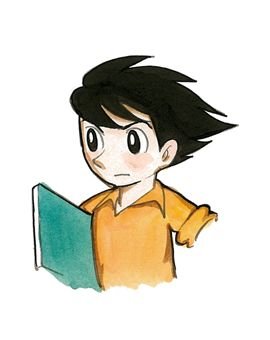 Musashi Miyamoto宮本武蔵6 rôles · 1958 (Shōwa 33 / 昭和33年)
 Museミューズ1 rôle · 1972 (Shōwa 47 / 昭和47年)
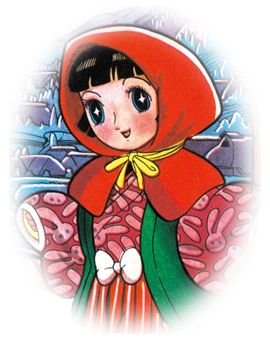 Miyoミヨ1 rôle · 1957 (Shōwa 32 / 昭和32年)Muムー1 rôle · 1972 (Shōwa 47 / 昭和47年)☆
 Monsieur Ampèreムッシュウ・アンペア36 rôles · 1950 (Shōwa 25 / 昭和25年)☆
 le commissaire Murai村井警部9 rôles · 1979 (Shōwa 54 / 昭和54年)
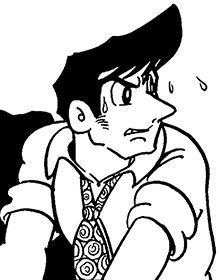 Atsushi Murakami村上厚1 rôle · 1965 (Shōwa 40 / 昭和40年)
 Mamoru Murakami村上まもる1 rôle · 1965 (Shōwa 40 / 昭和40年)☆
 Masonメイスン29 rôles · 1954 (Shōwa 29 / 昭和29年)le procureur Meguro目黒検事2 rôles · 1976 (Shōwa 51 / 昭和51年)
 Tsugumi Mejiro目白つぐみ1 rôle · 1958 (Shōwa 33 / 昭和33年)
 Méphistophélèsメフィストフェレス1 rôle · 1953 (Shōwa 28 / 昭和28年)
 Maryメリー1 rôle · 1950 (Shōwa 25 / 昭和25年)☆
 Melmoメルモ18 rôles · 1970 (Shōwa 45 / 昭和45年)
 la mère de Melmoメルモの母1 rôle · 1970 (Shōwa 45 / 昭和45年)☆
 Melon Kidメロン・キッド7 rôles · 1953 (Shōwa 28 / 昭和28年)
 Modeモード1 rôle · 1953 (Shōwa 28 / 昭和28年)
 l’inspecteur Mozzモッズ警部1 rôle · 1971 (Shōwa 46 / 昭和46年)
 Molモル1 rôle · 1965 (Shōwa 40 / 昭和40年)☆
 Monsterモンスター28 rôles · 1948 (Shōwa 23 / 昭和23年)Ichirō Monzen門前市郎1 rôle · 1968 (Shōwa 43 / 昭和43年)☆
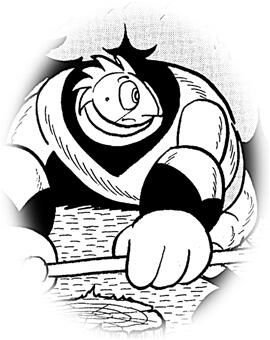 Mont-Blancモンブラン1 rôle · 1964 (Shōwa 39 / 昭和39年)
Mā-chanマアチャン5 rôles · 1946 (Shōwa 21 / 昭和21年)☆Mouse Boyマウス・ボーイ Maega Mienマエガ・ミエン8 rôles · 1948 (Shōwa 23 / 昭和23年)Makimura牧村2 rôles · 1969 (Shōwa 44 / 昭和44年)☆Magooマグー27 rôles · 1962 (Shōwa 37 / 昭和37年)☆l’Ambassadeur Magmaマグマ7 rôles · 1965 (Shōwa 40 / 昭和40年)☆McCrackenマクラッケン2 rôles · 1970 (Shōwa 45 / 昭和45年)Masayanマサヤン1 rôle · 1961 (Shōwa 36 / 昭和36年)Jiro Matsuzawa松沢ジロ1 rôle · 1968 (Shōwa 43 / 昭和43年)Kurumi Matsumoto松本くるみ1 rôle · 1974 (Shōwa 49 / 昭和49年)☆Mamāママー32 rôles · 1939 (Shōwa 14 / 昭和14年)Mayuマユ1 rôle · 1978 (Shōwa 53 / 昭和53年)☆Mariaマリア1 rôle · 1970 (Shōwa 45 / 昭和45年)Mario麻里夫2 rôles · 1975 (Shōwa 50 / 昭和50年)☆Boon Marukubi丸首ブーン77 rôles · 1956 (Shōwa 31 / 昭和31年)☆le Dieu du manga漫画の神様2 rôles · 1970 (Shōwa 45 / 昭和45年)☆le Docteur Mikazuki三日月君12 rôles · 1948 (Shōwa 23 / 昭和23年)Yōsuke Mikura美倉洋介1 rôle · 1973 (Shōwa 48 / 昭和48年)☆Migailaミゲーラ18 rôles · 1972 (Shōwa 47 / 昭和47年)Ryōtarō Mizuno水野瞭太郎1 rôle · 1970 (Shōwa 45 / 昭和45年)☆Michikoミチコ2 rôles · 1973 (Shōwa 48 / 昭和48年)Mickey Mouseミッキーマウス3 rôles · 1948 (Shōwa 23 / 昭和23年)★Mitchiiミッチイ71 rôles · 1947 (Shōwa 22 / 昭和22年)☆Mittsunミッツン18 rôles · 1943 (Shōwa 18 / 昭和18年)Midnightミッドナイト1 rôle · 1986 (Shōwa 61 / 昭和61年)Midorimaru緑丸1 rôle · 1959 (Shōwa 34 / 昭和34年)☆le Dr Midoro美土路博士3 rôles · 1973 (Shōwa 48 / 昭和48年)☆Manabu Midoro美土路マナブ2 rôles · 1973 (Shōwa 48 / 昭和48年)☆Ken Minakami水上ケン3 rôles · 1960 (Shōwa 35 / 昭和35年)Mignonミニヨン1 rôle · 1957 (Shōwa 32 / 昭和32年)Minoruミノル1 rôle · 1960 (Shōwa 35 / 昭和35年)Mimiミミ1 rôle · 1956 (Shōwa 31 / 昭和31年)☆Mimioミイちゃん9 rôles · 1945 (Shōwa 20 / 昭和20年)☆Musashi Miyamoto宮本武蔵6 rôles · 1958 (Shōwa 33 / 昭和33年)Museミューズ1 rôle · 1972 (Shōwa 47 / 昭和47年)Miyoミヨ1 rôle · 1957 (Shōwa 32 / 昭和32年)Muムー1 rôle · 1972 (Shōwa 47 / 昭和47年)☆Monsieur Ampèreムッシュウ・アンペア36 rôles · 1950 (Shōwa 25 / 昭和25年)☆le commissaire Murai村井警部9 rôles · 1979 (Shōwa 54 / 昭和54年)Atsushi Murakami村上厚1 rôle · 1965 (Shōwa 40 / 昭和40年)Mamoru Murakami村上まもる1 rôle · 1965 (Shōwa 40 / 昭和40年)☆Masonメイスン29 rôles · 1954 (Shōwa 29 / 昭和29年)le procureur Meguro目黒検事2 rôles · 1976 (Shōwa 51 / 昭和51年)Tsugumi Mejiro目白つぐみ1 rôle · 1958 (Shōwa 33 / 昭和33年)Méphistophélèsメフィストフェレス1 rôle · 1953 (Shōwa 28 / 昭和28年)Maryメリー1 rôle · 1950 (Shōwa 25 / 昭和25年)☆Melmoメルモ18 rôles · 1970 (Shōwa 45 / 昭和45年)la mère de Melmoメルモの母1 rôle · 1970 (Shōwa 45 / 昭和45年)☆Melon Kidメロン・キッド7 rôles · 1953 (Shōwa 28 / 昭和28年)Modeモード1 rôle · 1953 (Shōwa 28 / 昭和28年)l’inspecteur Mozzモッズ警部1 rôle · 1971 (Shōwa 46 / 昭和46年)Molモル1 rôle · 1965 (Shōwa 40 / 昭和40年)☆Monsterモンスター28 rôles · 1948 (Shōwa 23 / 昭和23年)Ichirō Monzen門前市郎1 rôle · 1968 (Shōwa 43 / 昭和43年)☆Mont-Blancモンブラン1 rôle · 1964 (Shōwa 39 / 昭和39年)や
Yā-bōヤー坊3 rôles · 1961 (Shōwa 36 / 昭和36年)☆ Yahachi Yakeno (Yakeppachi)焼野矢八2 rôles · 1970 (Shōwa 45 / 昭和45年)
 Kazuya Yazaki矢崎和也1 rôle · 1969 (Shōwa 44 / 昭和44年)Yajirōヤジロー2 rôles · 1975 (Shōwa 50 / 昭和50年)☆
 Yatalaヤタラ1 rôle · 1972 (Shōwa 47 / 昭和47年)☆le Dr Yamaura山浦博士4 rôles · 1969 (Shōwa 44 / 昭和44年)Gen’ya Yamagata山形絃哉1 rôle · 1970 (Shōwa 45 / 昭和45年)☆
 le roi de Yamato大君3 rôles · 1968 (Shōwa 43 / 昭和43年)☆Anata Yamano山野穴太3 rôles · 1948 (Shōwa 23 / 昭和23年)☆
 Masato Yamanobeマサト3 rôles · 1967 (Shōwa 42 / 昭和42年)
 Otohiko Yamabe山辺音彦1 rôle · 1968 (Shōwa 43 / 昭和43年)☆
 Yanmaヤンマ6 rôles · 1973 (Shōwa 48 / 昭和48年)
 Michio Yūki結城美知夫1 rôle · 1976 (Shōwa 51 / 昭和51年)
 Yukeiユーケイ1 rôle · 1971 (Shōwa 46 / 昭和46年)☆
 Yukie Kaufmann由季江・カウフマン1 rôle · 1983 (Shōwa 58 / 昭和58年)Fujiko Yukino雪野フジ子1 rôle · 1954 (Shōwa 29 / 昭和29年)☆
 Unicoユニコ9 rôles · 1976 (Shōwa 51 / 昭和51年)
 Yuriユリー1 rôle · 1962 (Shōwa 37 / 昭和37年)☆
 M. Yoshinaga吉永2 rôles · 1970 (Shōwa 45 / 昭和45年)☆
 Izumi Yoshinaga吉永いずみ2 rôles · 1970 (Shōwa 45 / 昭和45年)
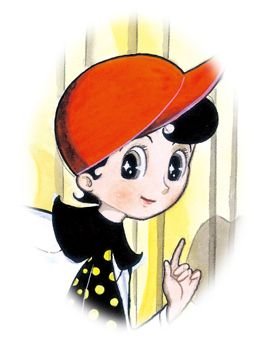 Yokkoヨッコちゃん1 rôle · 1962 (Shōwa 37 / 昭和37年)☆
 Yottsunヨッツン34 rôles · 1943 (Shōwa 18 / 昭和18年)☆
 Yoneyama米山1 rôle · 1983 (Shōwa 58 / 昭和58年)☆
 Yoromekisuヨロメキス2 rôles · 1968 (Shōwa 43 / 昭和43年)
Yahachi Yakeno (Yakeppachi)焼野矢八2 rôles · 1970 (Shōwa 45 / 昭和45年)Kazuya Yazaki矢崎和也1 rôle · 1969 (Shōwa 44 / 昭和44年)Yajirōヤジロー2 rôles · 1975 (Shōwa 50 / 昭和50年)☆Yatalaヤタラ1 rôle · 1972 (Shōwa 47 / 昭和47年)☆le Dr Yamaura山浦博士4 rôles · 1969 (Shōwa 44 / 昭和44年)Gen’ya Yamagata山形絃哉1 rôle · 1970 (Shōwa 45 / 昭和45年)☆le roi de Yamato大君3 rôles · 1968 (Shōwa 43 / 昭和43年)☆Anata Yamano山野穴太3 rôles · 1948 (Shōwa 23 / 昭和23年)☆Masato Yamanobeマサト3 rôles · 1967 (Shōwa 42 / 昭和42年)Otohiko Yamabe山辺音彦1 rôle · 1968 (Shōwa 43 / 昭和43年)☆Yanmaヤンマ6 rôles · 1973 (Shōwa 48 / 昭和48年)Michio Yūki結城美知夫1 rôle · 1976 (Shōwa 51 / 昭和51年)Yukeiユーケイ1 rôle · 1971 (Shōwa 46 / 昭和46年)☆Yukie Kaufmann由季江・カウフマン1 rôle · 1983 (Shōwa 58 / 昭和58年)Fujiko Yukino雪野フジ子1 rôle · 1954 (Shōwa 29 / 昭和29年)☆Unicoユニコ9 rôles · 1976 (Shōwa 51 / 昭和51年)Yuriユリー1 rôle · 1962 (Shōwa 37 / 昭和37年)☆M. Yoshinaga吉永2 rôles · 1970 (Shōwa 45 / 昭和45年)☆Izumi Yoshinaga吉永いずみ2 rôles · 1970 (Shōwa 45 / 昭和45年)Yokkoヨッコちゃん1 rôle · 1962 (Shōwa 37 / 昭和37年)☆Yottsunヨッツン34 rôles · 1943 (Shōwa 18 / 昭和18年)☆Yoneyama米山1 rôle · 1983 (Shōwa 58 / 昭和58年)☆Yoromekisuヨロメキス2 rôles · 1968 (Shōwa 43 / 昭和43年)ら
☆ Lataラータ1 rôle · 1951 (Shōwa 26 / 昭和26年)
 Raiyaライヤ1 rôle · 1950 (Shōwa 25 / 昭和25年)☆le président Ragラグ大統領
 Raskolnikovラスコルニコフ1 rôle · 1953 (Shōwa 28 / 昭和28年)
 le Génie de la lampeランプの精1 rôle · 1980 (Shōwa 55 / 昭和55年)☆
 Riikoリイコ20 rôles · 1948 (Shōwa 23 / 昭和23年)☆
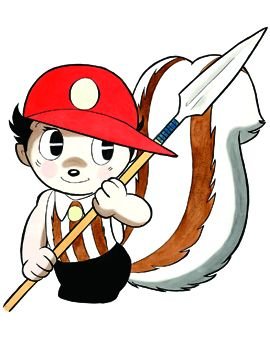 Rickyリッキー13 rôles · 1959 (Shōwa 34 / 昭和34年)☆
 Ryōben良弁7 rôles · 1969 (Shōwa 44 / 昭和44年)
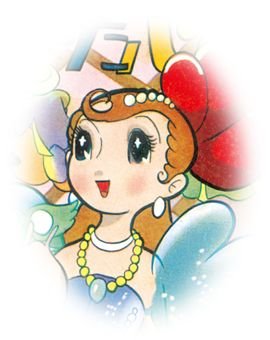 Lilyリリー1 rôle · 1957 (Shōwa 32 / 昭和32年)
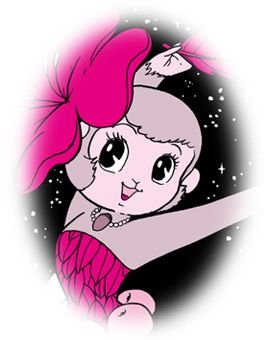 Rin Rinリンリン1 rôle · 1960 (Shōwa 35 / 昭和35年)☆
 Ludwig van Beethovenルードウィヒ1 rôle · 1987 (Shōwa 62 / 昭和62年)
 la princesse Lunaルーナ姫9 rôles · 1960 (Shōwa 35 / 昭和35年)
 Lukarルカー2 rôles · 1969 (Shōwa 44 / 昭和44年)☆
 Luxルックス2 rôles · 1957 (Shōwa 32 / 昭和32年)☆
 la mère robot de Luxルックスの母親ロボット2 rôles · 1957 (Shōwa 32 / 昭和32年)
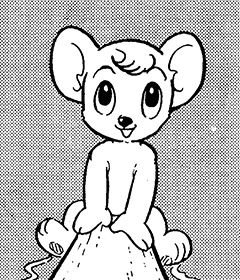 Runeルネ1 rôle · 1950 (Shōwa 25 / 昭和25年)
 René Cordocルネ・コルドック1 rôle · 1975 (Shōwa 50 / 昭和50年)
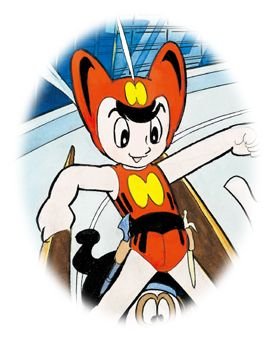 Rubiルビオ5 rôles · 1969 (Shōwa 44 / 昭和44年)☆
 le prince Ruri (Virudhaka)ルリ王子1 rôle · 1972 (Shōwa 47 / 昭和47年)Ray-Gun Jackレイ・ガン・ジャック1 rôle · 1963 (Shōwa 38 / 昭和38年)☆
 le Médium霊媒の先生2 rôles · 1970 (Shōwa 45 / 昭和45年)☆
 Léoレオ41 rôles · 1950 (Shōwa 25 / 昭和25年)★
 le duc Redレッド公109 rôles · 1948 (Shōwa 23 / 昭和23年)☆
 Lemon Kidレモン・キッド4 rôles · 1953 (Shōwa 28 / 昭和28年)☆
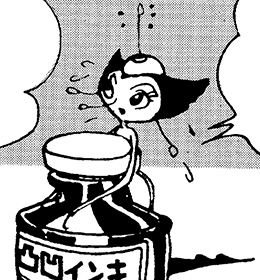 Rococoロココ1 rôle · 1951 (Shōwa 26 / 昭和26年)
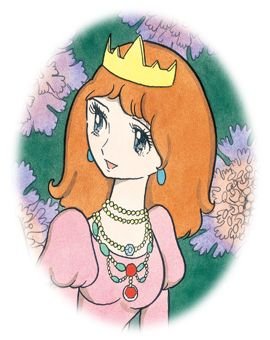 Rosaliaロゼリア1 rôle · 1976 (Shōwa 51 / 昭和51年)☆
 Rokkaku六角19 rôles · 1951 (Shōwa 26 / 昭和26年)☆
 Rock Holmesロック・ホーム102 rôles · 1949 (Shōwa 24 / 昭和24年)☆
 Ropロップ4 rôles · 1963 (Shōwa 38 / 昭和38年)☆
 Robitaロビタ2 rôles · 1967 (Shōwa 42 / 昭和42年)
 Romiロミ1 rôle · 1976 (Shōwa 51 / 昭和51年)☆
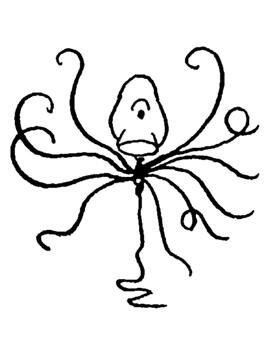 Lolo-Luluロロールル7 rôles · 1975 (Shōwa 50 / 昭和50年)☆
 Rommelロンメル33 rôles · 1950 (Shōwa 25 / 昭和25年)
Lataラータ1 rôle · 1951 (Shōwa 26 / 昭和26年)Raiyaライヤ1 rôle · 1950 (Shōwa 25 / 昭和25年)☆le président Ragラグ大統領 Raskolnikovラスコルニコフ1 rôle · 1953 (Shōwa 28 / 昭和28年)le Génie de la lampeランプの精1 rôle · 1980 (Shōwa 55 / 昭和55年)☆Riikoリイコ20 rôles · 1948 (Shōwa 23 / 昭和23年)☆Rickyリッキー13 rôles · 1959 (Shōwa 34 / 昭和34年)☆Ryōben良弁7 rôles · 1969 (Shōwa 44 / 昭和44年)Lilyリリー1 rôle · 1957 (Shōwa 32 / 昭和32年)Rin Rinリンリン1 rôle · 1960 (Shōwa 35 / 昭和35年)☆Ludwig van Beethovenルードウィヒ1 rôle · 1987 (Shōwa 62 / 昭和62年)la princesse Lunaルーナ姫9 rôles · 1960 (Shōwa 35 / 昭和35年)Lukarルカー2 rôles · 1969 (Shōwa 44 / 昭和44年)☆Luxルックス2 rôles · 1957 (Shōwa 32 / 昭和32年)☆la mère robot de Luxルックスの母親ロボット2 rôles · 1957 (Shōwa 32 / 昭和32年)Runeルネ1 rôle · 1950 (Shōwa 25 / 昭和25年)René Cordocルネ・コルドック1 rôle · 1975 (Shōwa 50 / 昭和50年)Rubiルビオ5 rôles · 1969 (Shōwa 44 / 昭和44年)☆le prince Ruri (Virudhaka)ルリ王子1 rôle · 1972 (Shōwa 47 / 昭和47年)Ray-Gun Jackレイ・ガン・ジャック1 rôle · 1963 (Shōwa 38 / 昭和38年)☆le Médium霊媒の先生2 rôles · 1970 (Shōwa 45 / 昭和45年)☆Léoレオ41 rôles · 1950 (Shōwa 25 / 昭和25年)★le duc Redレッド公109 rôles · 1948 (Shōwa 23 / 昭和23年)☆Lemon Kidレモン・キッド4 rôles · 1953 (Shōwa 28 / 昭和28年)☆Rococoロココ1 rôle · 1951 (Shōwa 26 / 昭和26年)Rosaliaロゼリア1 rôle · 1976 (Shōwa 51 / 昭和51年)☆Rokkaku六角19 rôles · 1951 (Shōwa 26 / 昭和26年)☆Rock Holmesロック・ホーム102 rôles · 1949 (Shōwa 24 / 昭和24年)☆Ropロップ4 rôles · 1963 (Shōwa 38 / 昭和38年)☆Robitaロビタ2 rôles · 1967 (Shōwa 42 / 昭和42年)Romiロミ1 rôle · 1976 (Shōwa 51 / 昭和51年)☆Lolo-Luluロロールル7 rôles · 1975 (Shōwa 50 / 昭和50年)☆Rommelロンメル33 rôles · 1950 (Shōwa 25 / 昭和25年)